

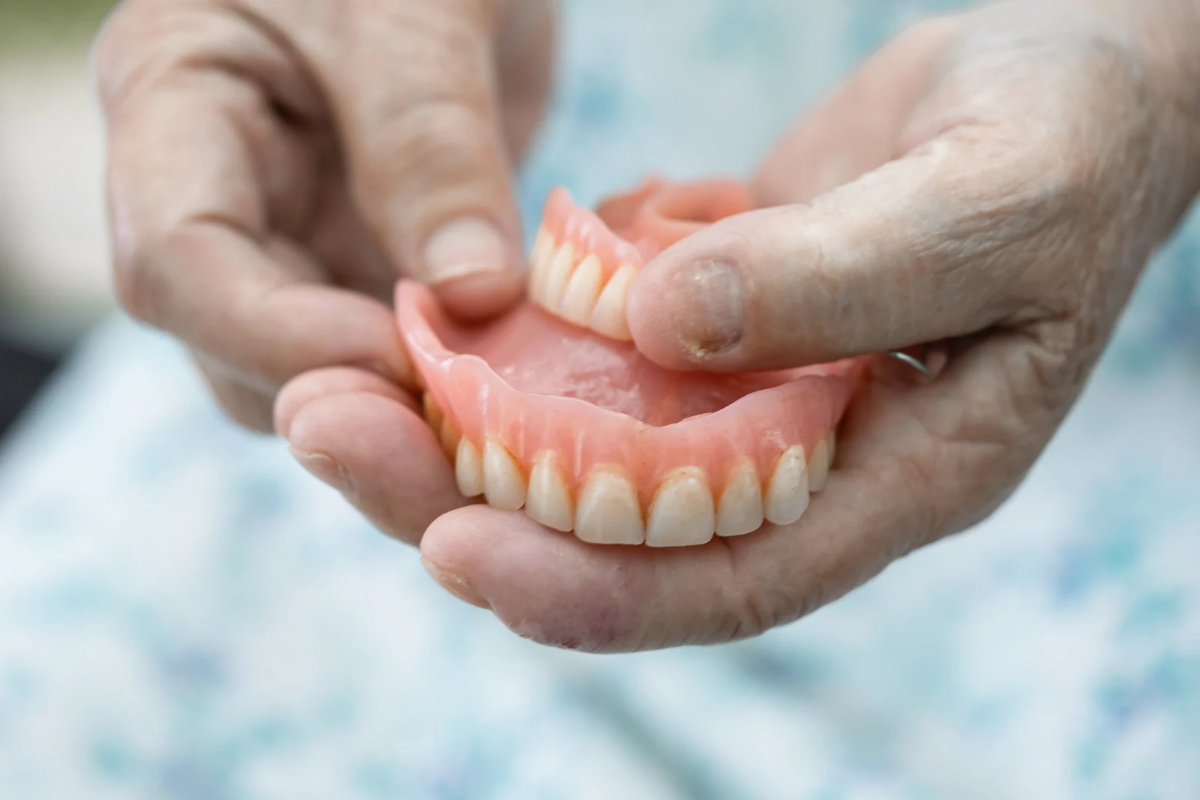
Quick answer: A denture reline adds a new layer of material to the inside of your denture so it fits your gums snugly again. Most people need a hard reline every one to two years, and soft relines are usually redone more often. If your dentures feel loose, rub or need more adhesive than before, it’s time for a fit check.
Your dentures fit perfectly the day you got them. Then, slowly, they start to slip when you talk, food sneaks underneath, and a sore spot shows up. That’s not your fault. Your gums and jawbone naturally change shape over time, and your dentures don’t change with them.
At Dental Faith, we offer family dentistry in Nashville and help denture wearers get back a comfortable, secure fit, often without needing brand-new dentures. Here’s how to tell if you need a reline and what happens at the appointment.
What Is a Denture Reline?
A denture reline reshapes the underside of your denture, the part that rests on your gums. Your dentist adds a new layer of acrylic or soft material that matches the current shape of your mouth. The teeth and the outside of the denture stay the same.
Relines work for full dentures and many removable partials, and they’re one of the simplest ways to extend the life of your partials and dentures. They’re part of the everyday care we provide in restorative dentistry.
7 Signs You Need a Denture Reline
- Your dentures feel loose, rock or slip when you talk or eat
- You’re using more denture adhesive than you used to
- You have sore spots, red patches or pressure points on your gums
- Food gets trapped under the denture, leading to bad breath
- You hear clicking when you speak or chew
- Chewing feels harder, or you avoid certain foods
- It’s been more than one to two years since your last reline
If you checked two or more, book a fit check. Loose dentures don’t just feel uncomfortable. They can rub sores into the gums and speed up bone loss in the jaw.
Types of Denture Relines
| Type | Material | Best for | Typically lasts |
| Hard reline | Rigid acrylic | Most denture wearers; long-term fit | About 1–2 years or more |
| Soft reline | Flexible silicone or soft polymer | Thin, tender or sore gums | Shorter; replaced more often |
| Temporary reline (tissue conditioner) | Soft healing material | Irritated gums, or right after extractions | A few weeks |
Hard relines can be done chairside (in the office, often the same day) or in a dental lab (usually a day or two). A lab reline often gives a more precise, longer-lasting fit.
Why Immediate Dentures Almost Always Need a Reline
Immediate dentures are placed on the same day your teeth are removed. As your gums heal over the following 8–12 weeks, they shrink, and the denture becomes loose. That’s expected. Your dentist will usually place a temporary soft liner during healing, then a hard reline once your gums settle. If you’re planning a dental extraction followed by dentures, ask about this step upfront, and follow simple steps to help your tooth extraction heal faster naturally.
What to Expect at Your Reline Appointment
- Exam: Your dentist checks your gums for sore spots, infection or changes, looks over your denture for cracks, and may include an oral cancer screening.
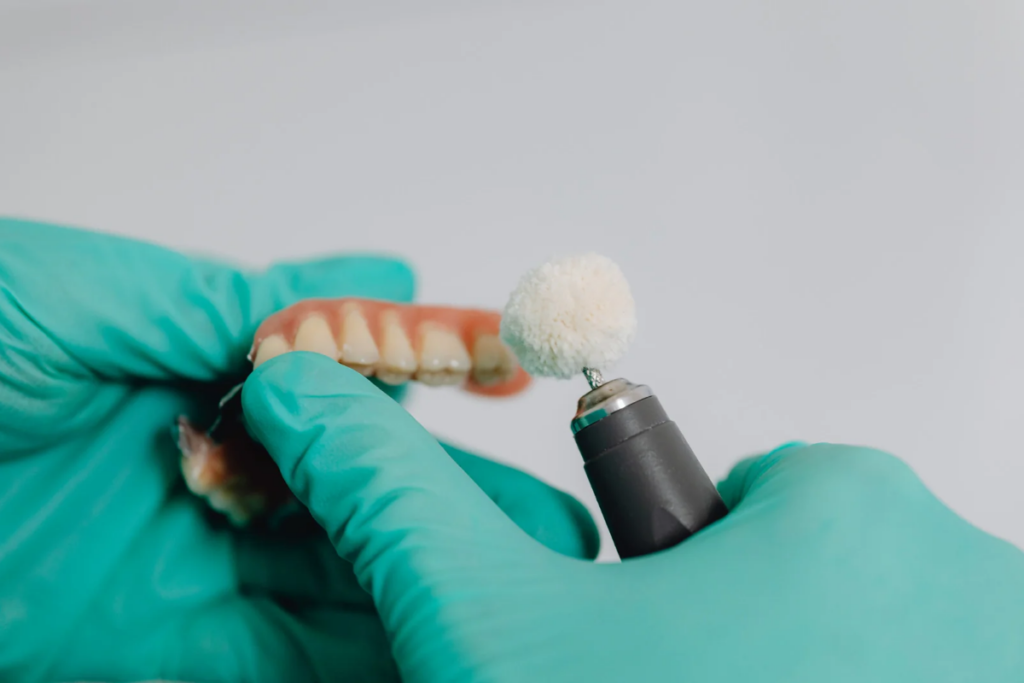
- Preparing the denture: A thin layer is removed from the inside surface so the new material bonds well.
- Taking the impression: The new reline material is placed inside the denture, and the denture goes back in your mouth. You bite gently while it sets to the exact shape of your gums.
- Setting: For a chairside reline, the material hardens in the office. For a lab reline, the denture goes to a lab and you get it back, usually within a day or two.
- Polishing and fit check: The edges are trimmed and smoothed, and your bite is checked. Small adjustments may follow in a week or two.
The process is painless and usually doesn’t require numbing, which makes it a comfortable visit even if you live with dental fear.
How Often Should Dentures Be Relined?
As a general guide, most dentures need a hard reline every one to two years, though your dentist may suggest a different schedule. Soft relines usually wear faster and are redone more often. Immediate dentures need a reline after healing. Routine dental exams and cleanings are the best way to catch fit changes early.
Cleveland Clinic’s denture care guidelines recommend taking dentures out for at least eight hours a day to give your gums a break and help keep your jawbone strong. Good daily habits help your reline last longer too.
Reline vs. Rebase vs. Adjustment vs. New Dentures
| Service | What it does | When you need it |
| Adjustment | Small reshaping to relieve a pressure point | One sore spot, otherwise good fit |
| Reline | New layer on the inside surface | Loose fit from gum changes |
| Rebase | Replaces the whole pink base, keeps the teeth | Base cracked or worn, teeth still good |
| New dentures | Brand-new set | Worn teeth, repeated cracks or many years of use |
If you’re tired of loose dentures altogether, dentures with dental implants snap onto dental implants for a much more secure fit. Dental implants for seniors are often an option, and knowing the problems with All-on-4 dental implants helps you compare choices. Wondering what kind of dentist does implants and dentures? A general dentist can handle relines and coordinate implant care.
Are At-Home Denture Reline Kits Safe?
Store-bought reline kits can be a short-term fix if you’re traveling, but they come with risks:
- Too much material can change your bite and strain your jaw.
- An uneven layer can create new pressure points and sores.
- Some materials are hard to remove, which can make a professional reline harder or damage the denture.
- A kit can’t spot problems your dentist would catch, such as gum infection or tissue changes.
If you use a kit in a pinch, book a professional reline soon after.
How Much Does a Denture Reline Cost?
A reline costs far less than new dentures. Prices depend on the type (soft or hard), whether it’s done chairside or in a lab, and whether repairs are needed. Published 2026 U.S. fee guides commonly put relines at a few hundred dollars per arch, with lab-processed hard relines at the higher end.
Many dental plans help cover relines. TennCare’s adult dental benefits list complete denture relines as a covered service. Check the dental insurance plans we accept or ask about dental financing in Nashville. For more affordable dental care options, a plan to budget for dental work without insurance helps. We’ll give you a clear price before any work begins.
Denture Relines in Nashville at Dental Faith
You shouldn’t have to put up with slipping or sore dentures. Dental Faith is a faith family dental practice that has served Nashville since 2013. Dr. M. Paula Fedler and our team take time with denture patients of all ages, and dental care for seniors in Nashville is a big part of what we do. The benefits of a bilingual dentist in Nashville mean you can talk through your fit in English or Spanish.
- Call or text: 615-285-3949
- Visit: 390 Harding Place, Suite 101, Nashville, TN 37211
- Saturday hours: 8:30 a.m.–3 p.m.
- Book online: denture reline appointment in Nashville
Between visits, keep your dentures clean. Daily brushing helps remove plaque from false teeth, and an overnight soak helps remove tartar from false teeth.
Frequently Asked Questions
How much does a denture reline cost?
It depends on whether you need a soft or hard reline and whether it’s done in the office or a lab. A reline costs much less than new dentures, and many dental plans help cover it. Call us for an exact quote.
What is a denture reline?
It’s a procedure that adds a new layer of material to the inside of your denture so it fits the current shape of your gums. It makes loose dentures snug and comfortable again.
Is it worth getting dentures relined?
Yes, if your dentures are otherwise in good shape. A reline restores the fit for a fraction of the cost of new dentures, and it helps prevent sore spots and gum irritation.
How often do dentures need to be relined?
Most dentures need a hard reline every one to two years. Soft relines are usually redone more often. Immediate dentures need a reline once your gums heal after extractions.