
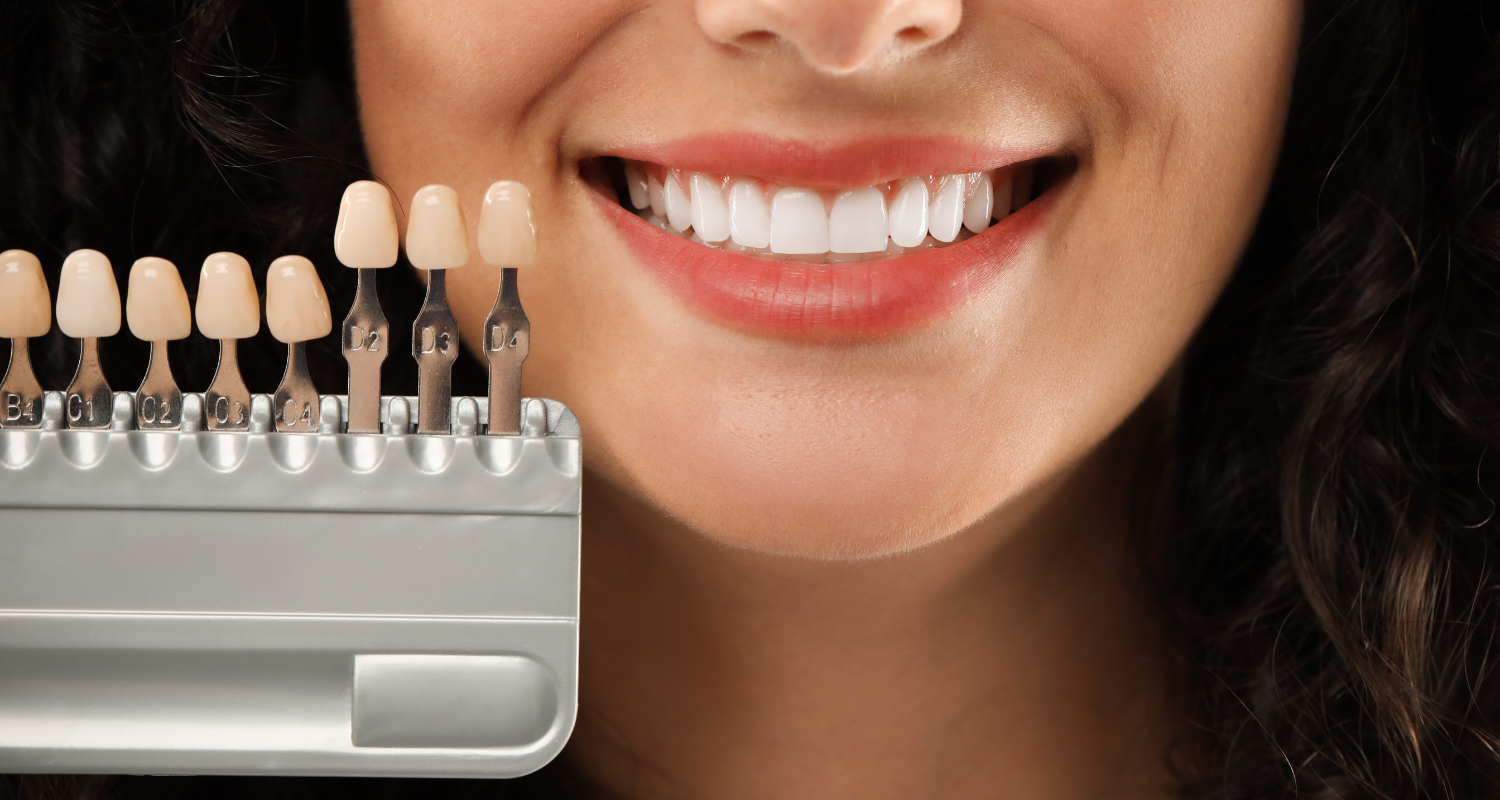
A chipped front tooth, a small gap, or a stain that will not go away can make you shy about your smile. Two popular fixes are dental bonding and veneers. Both can improve how your teeth look, but they work in different ways, cost different amounts, and last for different lengths of time. So when it comes to teeth bonding vs veneers, which one is right for you?
At Dental Faith, we help patients compare their options every day. This guide explains what each treatment is, how they differ, what they cost, and how to care for them. Our goal is to help you ask better questions at your visit. The best choice depends on your goals, your teeth, and your budget.
What Is Dental Bonding?
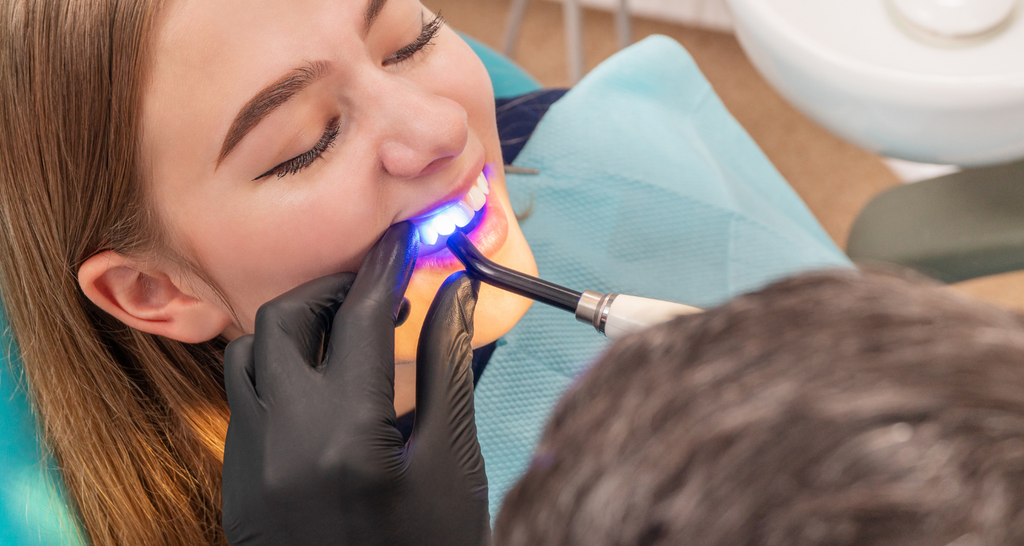
Tooth bonding is a simple cosmetic treatment. Your dentist applies a tooth colored composite resin to the surface of a tooth, shapes it, and hardens it with a special light. The result blends in with your natural tooth.
The process usually goes like this:
- The dentist picks a resin shade that matches your tooth.
- The tooth surface is lightly roughened so the resin can stick.
- The soft resin is applied and shaped by hand.
- A curing light hardens the material.
- The dentist trims and polishes it for a smooth, natural finish.
Dental cosmetic bonding is often used for:
- Small chips
- Minor gaps between teeth
- Uneven edges
- Localized discoloration
Its biggest strengths are cost, speed, and a gentle approach. Treatment is often done in a single visit, and little or none of your natural tooth needs to be removed. If you have a chip from a fall or from biting something hard, bonding is one of the options your dentist may talk about. A tooth that is cracked or broken more deeply may need other care, such as a cracked tooth repair or a crown.
What Are Dental Veneers?
Veneers are thin shells that cover the front surface of your teeth. They are made to change the color, shape, size, or length of a tooth. Veneers are part of cosmetic dentistry, and they can change the look of a smile in a big way.
There are two main types:
- Porcelain veneers. These are made in a lab, usually from a mold or scan of your teeth. They are known for a natural look and strong resistance to stains.
- Composite veneers. These are made from resin and may be shaped right in the office. Many people confuse them with bonding, and the two are closely related.
Veneers are often used for stains that do not respond to whitening, worn teeth, gaps, and broader smile changes. Because they cover more of the tooth, they can fix several issues at once.
Before any veneer treatment, your dentist should check the health of your teeth and gums. Decay, gum problems, or a weak tooth should be treated first. You can read more in our full guide to dental veneers, or visit our page on dental veneers.
Teeth Bonding vs. Veneers: Key Differences
Here is a side by side look at how the two compare.
| Feature | Dental bonding | Porcelain veneers |
| Material | Composite resin | Thin porcelain shell |
| Treatment time | Often one visit | Usually two or more visits |
| Upfront cost | Lower | Higher |
| Typical lifespan | Shorter | Longer |
| Stain resistance | Can stain over time | Usually resists stains well |
| Tooth preparation | Little to none | Often some enamel removal |
| Repairs | Usually easy to fix | May need replacement |
In general, bonding is less invasive and easier to repair. Porcelain veneers usually offer greater stain resistance and last longer. Still, treatment needs vary based on the material used and your individual case. Resin bonding vs veneers is not a question with one answer for everyone.
Dental Bonding vs. Veneers Cost
Cost is often the first thing people ask about. These numbers are estimates only, and your price may be different.
- Bonding often costs a few hundred dollars per tooth.
- Porcelain veneers often cost about ten times as much per tooth, or more in some cases.
Many things change the price:
- Where you live
- The dentist’s training and experience
- The material used
- How complex your case is
- How many teeth you want to treat
Think about long term costs, too. Bonding costs less at first, but it may need touch ups or replacement sooner. Veneers cost more up front, but they may last longer and need fewer repairs. That means the cheapest option at the start is not always the cheapest over time.
The best way to know your real cost is to get an exam and a written estimate. If you do not have insurance, our tips on how to budget for dental work without insurance may help you plan. A dentist should review any cost figures with you before treatment begins.
How Long Does Teeth Bonding Last Compared With Veneers?
Lifespan varies for each person, and no one can promise an exact number. As a general guide:
- Composite bonding often lasts several years before it needs repair or replacement.
- Porcelain veneers often last much longer, with many lasting a decade or more with good care.
Several habits affect how long either one lasts:
- How well you brush and floss
- Grinding or clenching your teeth
- Biting nails, ice, or hard objects
- How often you see your dentist
Bonding may chip, stain, or wear down over time. Veneers can also chip or come loose. When that happens, your dentist can repair or replace them. Regular routine dental exams help catch small problems before they get bigger.
What Are the Pros and Cons of Dental Bonding?
Pros
- Lower upfront cost
- Usually needs little or no tooth preparation
- Often finished in one visit
- Easy to repair if it chips
Cons
- Can stain over time
- May chip or wear sooner than porcelain
- Does not last as long as veneers
- Does not respond to teeth whitening
That last point matters. Composite resin does not change color with whitening products. If you plan to brighten your smile, do it before bonding so the dentist can match the resin to your new shade. Our post on teeth whitening options explains your choices, and our teeth whitening page covers professional care. If you are thinking about at home options, see how a hydrogen peroxide rinse compares with whitening strips.
What Are the Pros and Cons of Dental Veneers?
Pros
- Natural looking results
- Strong durability
- Good stain resistance
- Can fix color, shape, and gaps in one plan
Cons
- Higher upfront cost
- May require removing some enamel
- Conventional porcelain veneers are generally not reversible once enamel is removed
- Can still chip or come loose
Healthy gums are important for good results. Your dentist should also check your bite, because heavy bite forces can damage veneers. Some options, often called minimally prepared or no prep veneers, need less enamel removal. They are not right for every patient, so ask your dentist what applies to your case.
If you are also thinking about full coverage for a weak tooth, our post on crowns vs. veneers explains how the two differ. You can also look at our page on dental crowns.
Bonding vs. Veneers for Front Teeth
Front teeth are the first thing people notice, so this choice matters. Here is a simple way to think about it.
Bonding may work well for:
- A small chip
- A tiny gap
- A single uneven edge
- A small flaw on one tooth
Veneers may be worth considering for:
- Several visible teeth
- Deep stains that will not lift
- Worn or short teeth
- Broader changes to shape, color, or spacing
Tooth color, shape, spacing, and bite all affect the plan. Some people with crowding may do better with orthodontics first. Rather than assume one treatment fits everyone, ask for a personal assessment. If you are not sure it is time to see a specialist, our post on the signs you need a cosmetic dentist can help.
Is Dental Bonding Better Than Veneers?
Neither is better in every case. Each fits a different need.
Bonding may be a better fit for minor fixes and for people who want a gentle, lower cost option. Veneers may be a better fit for patients who want longer lasting results and bigger changes to their smile.
Compare them on these points:
- Repairability. Bonding is usually easier to fix.
- Maintenance. Veneers resist stains better, while bonding needs more care.
- Appearance. Porcelain often looks the most natural over time.
- Long term cost. A cheaper treatment may need replacing sooner.
The best choice depends on your goals and the condition of your natural teeth. See how a full smile plan can come together in our post on how cosmetic dentistry can transform your smile.
Can You Get Veneers After Dental Bonding?
Often, yes. Teeth that were bonded before may still be good candidates for veneers. The condition of the old bonding matters, though. Your dentist may need to remove or replace some of it, and should look at the tooth first to see how healthy it is.
Veneers are not guaranteed to work for every patient. A tooth with decay, weak structure, or gum trouble may need other treatment first. Ask your dentist to explain the plan before you move ahead.
How Do You Care for Bonding and Veneers?
Good habits keep both treatments looking their best.
- Brush twice a day with a soft toothbrush
- Clean between your teeth every day
- Go to your regular checkups and dental cleanings
- Avoid biting your nails or chewing ice, pens, or other hard objects
- Cut back on coffee, tea, red wine, and tobacco, especially with bonding
If you grind your teeth, you may need extra protection, such as a night guard. Grinding can chip bonding and crack veneers. If bonding chips or a veneer feels loose, call your dentist soon. Do not try to glue it back yourself. A sudden problem with a tooth may be an emergency, so see our page on emergency dentistry if you are in pain.
Frequently Asked Questions
Is teeth bonding better than veneers? Not always. Bonding suits small fixes and lower budgets. Veneers suit bigger changes and longer lasting results. The right choice depends on your teeth and goals.
What is the difference between dental bonding and veneers? Bonding uses composite resin shaped right on your tooth, often in one visit. Veneers are thin shells, usually porcelain, that cover the front of the tooth and often take more than one visit.
How much does teeth bonding cost compared with veneers? Bonding usually costs far less per tooth than porcelain veneers. Exact prices depend on your location, your dentist, and your case, so ask for an estimate.
How long does dental bonding last? Bonding often lasts several years, though it varies. Habits like grinding, biting hard objects, and staining foods can shorten its life.
How long do porcelain veneers last? Many last a decade or longer with good care. No dentist can promise an exact length of time.
Is dental bonding reversible? It depends. Some bonding needs little or no preparation, but it is not always completely reversible. Ask your dentist what applies to your tooth.
Do veneers permanently damage natural teeth? Conventional porcelain veneers often need some enamel removed, and enamel does not grow back. That makes them generally irreversible. Minimally prepared options remove less.
Can dental bonding fix gaps in front teeth? Yes, small gaps can often be closed with bonding. Larger gaps or crowding may need other treatment.
Can bonded teeth be whitened? No. Composite resin does not respond to whitening. Whiten your natural teeth first, then match the bonding to the new shade.
Can you get veneers after dental bonding? Often yes, but your dentist must check the tooth and the old bonding first. It is not guaranteed for everyone.
Which is better for front teeth, bonding or veneers? Bonding often suits small chips and single flaws. Veneers may suit several visible teeth or bigger changes. A personal exam is the best way to decide.
Are composite veneers the same as dental bonding? They are similar because both use composite resin, but they are not exactly the same. Composite veneers usually cover more of the tooth surface, while bonding often fixes a smaller area.
Ready to Talk About Your Smile?
Choosing between bonding and veneers is easier when you have a clear plan. Book a visit with Dental Faith, and our team will look at your teeth, talk through your goals, and give you an estimate that fits your needs. Cost and lifespan figures in this article are general estimates, and your own results may differ.