

What Kind of Dentist Does Implants and Dentures? Specialists Explained
When you start looking into dental implants or dentures, one of the first questions you might have is: who actually does this? The answer is not always straightforward because several types of dental specialists can be involved depending on your situation.
Some patients work with a single dentist from start to finish. Others need a team of specialists. Understanding who does what helps you ask the right questions and feel confident going into treatment.
What Is a Prosthodontist?
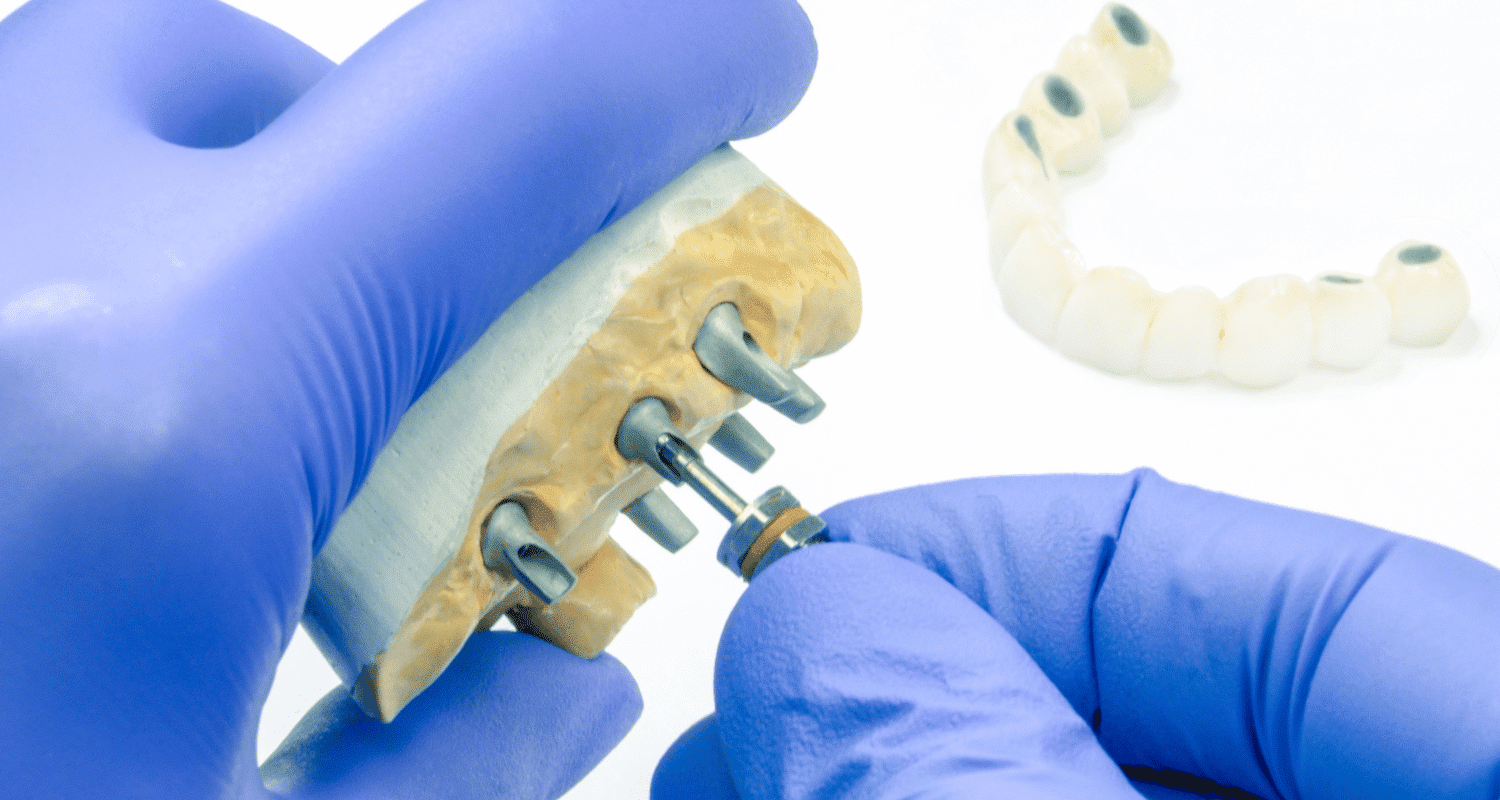
A prosthodontist is the dental specialist most directly focused on replacing and restoring missing teeth. After completing dental school, prosthodontists go through an additional three years of training specifically in dental prosthetics, bite restoration, and full-mouth rehabilitation.
If your treatment involves dentures, implant crowns, or rebuilding multiple teeth at once, a prosthodontist is often the specialist who designs and delivers the final result.
What Procedures Does a Prosthodontist Perform?
- Complete dentures
- Partial dentures
- Implant-supported dentures
- Implant crowns and bridges
- Full-mouth reconstruction
- Smile rehabilitation for complex bite issues
Prosthodontists are especially skilled at making replacement teeth look natural and function correctly. They pay close attention to bite alignment, aesthetics, and long-term comfort.
What Type of Dentist Places Dental Implants?
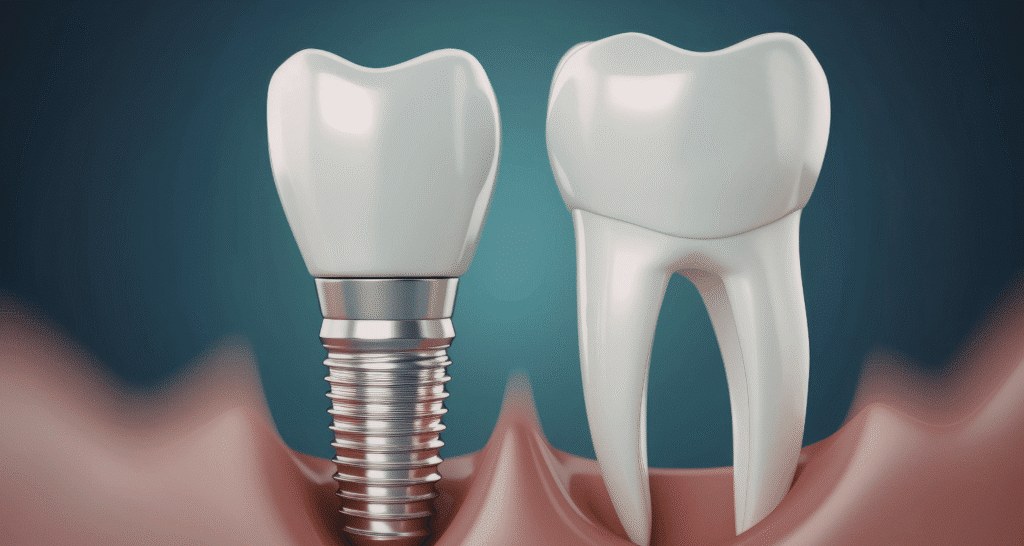
Placing an implant is a surgical procedure. It involves making an incision in the gum and inserting a titanium post into the jawbone. That requires specific surgical training and experience.
Several specialists are qualified to place implants:
Oral Surgeons for Dental Implants
Oral and maxillofacial surgeons specialize in surgery involving the mouth, jaw, and face. They are trained to handle complex extractions, bone grafting, sinus lifts, and cases where medical conditions raise surgical risk.
If you need multiple implants, have significant bone loss, or require sedation beyond basic numbing, an oral surgeon is often involved in your care. They are also the specialists who handle full-arch procedures like All-on-4 implants.
Periodontists for Dental Implants
Periodontists specialize in gum health and the bone that supports your teeth. Because dental implants depend on healthy bone and gum tissue to succeed, periodontists are well-positioned to place them.
They are particularly valuable for patients dealing with gum disease or bone loss before implant placement. Our periodontal therapy page explains how we treat gum disease before starting any implant work.
Can a General Dentist Do Implants?
Yes, many general dentists place implants for straightforward single-tooth cases. The key is their level of training and experience. Some general dentists complete advanced implant certification programs and handle both the surgical placement and the final restoration.
For complex cases involving multiple missing teeth, bone loss, or full-mouth restoration, a specialist referral is usually the better path.
Who Makes and Fits Dentures?
Prosthodontists are the primary specialists for dentures. They are trained to design dentures that fit properly, look natural, and work well with your bite.
General dentists also provide dentures and handle many routine cases successfully. The deciding factor is usually the complexity of your situation. If you have had significant bone loss, need implant-supported dentures, or require a full-mouth rebuild, a prosthodontist brings the most relevant expertise.
Dental Implants and Dentures Often Require a Team Approach
For many patients, especially those replacing multiple teeth or getting implant-supported dentures, treatment involves more than one specialist. This is completely normal and actually leads to better outcomes.
A typical team approach might look like this:
- An oral surgeon extracts any remaining teeth and places the implants
- A periodontist manages bone grafting and gum health
- A prosthodontist designs and attaches the final crowns or dentures
Each specialist handles the part they are most trained for. Your general dentist or the lead specialist coordinates the plan so everything works together.
You can see how this applies to our own dental implants services and how we approach full-tooth replacement at Dental Faith.
Which Specialist Is Best for Full Mouth Dental Implants?
Full-mouth implant treatment is one of the most complex procedures in dentistry. It typically involves a combination of surgical and restorative expertise.
For All-on-4 implants or full-arch restorations, you will usually work with at least two specialists. An oral surgeon or periodontist handles implant placement. A prosthodontist designs the final arch of teeth that attaches to those implants.
The result is a permanent, fixed set of teeth that look and function naturally. Unlike traditional dentures, full-arch implant restorations do not slip, require no adhesives, and stimulate the jawbone to prevent bone loss.
For patients who currently wear dentures and want a more stable solution, our blog on can you get dental implants with gum disease addresses a common concern that comes up during full-mouth planning.
Prosthodontist vs Oral Surgeon vs Periodontist
| Specialist | Main Focus | Common Implant Role |
| Prosthodontist | Tooth replacement and restoration | Crowns, dentures, smile design |
| Oral Surgeon | Surgical procedures | Implant placement, extractions |
| Periodontist | Gums and bone | Implant placement, bone grafting |
| General Dentist | General dental care | Basic implant restoration |
What to Look for in an Implant Dentist
Not all implant dentists are equal. Here is what to look for when choosing who to trust with your treatment:
- Advanced implant training or certification
- Years of experience specifically with implants
- Access to 3D imaging like CBCT scans for precise planning
- Sedation options for patient comfort
- Transparent pricing and financing options
- Before and after photos from real patients
- Strong patient reviews and professional credentials
Asking to see examples of their previous implant work is completely reasonable. A confident, experienced dentist will be happy to share that.
Questions to Ask Before Getting Dental Implants or Dentures
Before committing to any treatment plan, ask these questions:
- How many implants have you placed?
- Who performs the surgery and who restores the final teeth?
- Will I need bone grafting?
- What imaging technology do you use for planning?
- What happens if a complication occurs?
- What are the long-term maintenance requirements?
- What financing options are available?
Good answers to these questions tell you a lot about how a practice handles implant care. If any answers feel vague, keep looking.
Implant-Supported Dentures Explained
Implant-supported dentures are one of the most popular options for patients who are missing most or all of their teeth. Instead of resting on the gum, these dentures attach directly to implants that are anchored in the jawbone.
The result is far more stable than traditional dentures. You can eat, speak, and smile without worrying about slipping or discomfort. Some implant dentures are removable for cleaning, while others are fixed permanently in place.
Common options include:
- Snap-in dentures that attach to two to four implants
- All-on-4 implants that support a full arch on four strategically placed implants
- Fixed full-arch prostheses that are permanently attached and never removed
Our blog comparing root canal vs dental implant can help you think through whether saving a tooth or replacing it is the right call in your situation.
Dental Implant Costs and Specialist Fees
| Procedure | Estimated Cost |
| Single Implant | $3,000 to $6,000 |
| Implant-Supported Dentures | $10,000 to $30,000 |
| All-on-4 Implants | $15,000 to $40,000 |
Costs vary based on how many specialists are involved, whether bone grafting is needed, the type of sedation used, and your geographic location. Financing options can make these investments more manageable by spreading payments over time.
Are Specialists Better Than General Dentists for Implants?
It depends on your case. For a single missing tooth with healthy bone and gums, a well-trained general dentist can handle the job effectively. For anything more complex, a specialist brings a deeper level of focused expertise.
The most important thing is matching the right provider to your specific needs. A straightforward case does not always require a specialist. A complicated case almost always does.
According to the American Academy of Implant Dentistry, dental implants have a success rate of up to 98% when placed by experienced providers using proper planning and imaging technology.
Frequently Asked Questions
What kind of dentist does implants and dentures?
Prosthodontists are the specialists most focused on replacing teeth with implants and dentures. Oral surgeons and periodontists often perform the surgical implant placement. General dentists handle straightforward cases as well.
Should I see a prosthodontist for implants?
If your case involves multiple missing teeth, full-mouth restoration, or complex bite issues, a prosthodontist is a strong choice. For a single implant, a qualified general dentist or oral surgeon may be sufficient.
Who places dental implants?
Oral surgeons, periodontists, prosthodontists, and trained general dentists all place implants. The right choice depends on your case complexity and bone and gum health.
Can a general dentist do implants?
Yes, in many cases. General dentists with implant training handle routine single-tooth implants. More complex cases are typically referred to specialists.
What is the difference between a prosthodontist and oral surgeon?
An oral surgeon performs the surgical placement of the implant post. A prosthodontist designs and attaches the final crown, denture, or prosthesis. Both may be involved in your care.
Who is best for implant-supported dentures?
A team approach works best. An oral surgeon or periodontist places the implants. A prosthodontist designs the denture and ensures proper fit and bite alignment.
Can a periodontist make dentures?
Periodontists do not typically make dentures. Their focus is on gum and bone treatment and implant placement. Denture fabrication and fitting falls under prosthodontics or general dentistry.
What specialist handles All-on-4 implants?
All-on-4 cases usually involve an oral surgeon for implant placement and a prosthodontist for the final arch restoration. Some practices offer both under one roof.
Do prosthodontists place implants?
Some prosthodontists do place implants, particularly in academic or specialty settings. More commonly, they focus on the restorative side while an oral surgeon or periodontist handles placement.
Should I choose a specialist for full-mouth implants?
Yes. Full-mouth implant treatment is complex and benefits from specialist involvement. A team approach with an oral surgeon or periodontist for placement and a prosthodontist for restoration typically produces the best outcomes.
Not sure where to start? Visit Dental Faith in Nashville for a personalized consultation. Dr. Fedler and our team will assess your situation and connect you with the right care for implants, dentures, or full-mouth restoration. Call us at 615-285-3949 or stop by 390 Harding Place, Suite 101, Nashville TN 37211.