

A sharp pain when you bite down, or when you release your bite, is one of the most common signs of a cracked tooth. Cracks are often too small to see in the mirror and may not show on an X-ray, so they’re easy to miss until they grow.
Dr. M. Paula Fedler uses magnification, bite tests and our intraoral camera to find the crack and treat it while the tooth can still be saved. Se habla español.
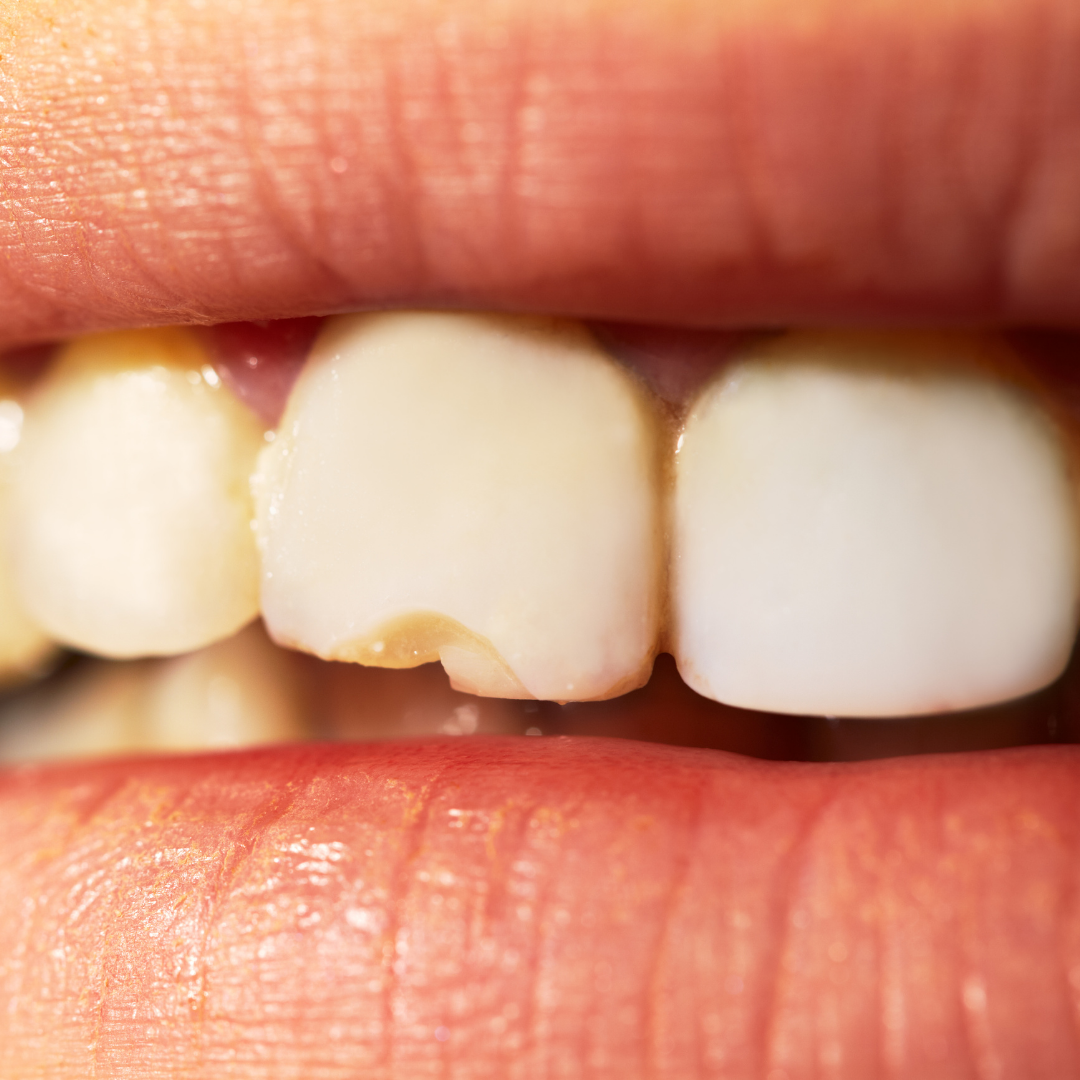
Treatment depends on the location and extent of the crack, the condition of the dental pulp, and how much healthy tooth structure remains. Dr. Fedler will examine the tooth before recommending treatment.
For small cracks in the outer enamel, tooth-colored resin seals and strengthens the surface.
When the crack is around an old filling or a cusp has broken, a new restoration can support the tooth.
The most common fix for a true cracked tooth. A crown holds the tooth together so the crack can’t spread when you chew.
If the crack reaches the pulp, you may need a root canal before the crown. Dr. Fedler coordinates this with a root canal specialist and then places your crown here.
If the crack runs below the gumline or splits the tooth, removal may be the healthiest choice, followed by a bridge, partial or implant referral.
Smiles transformed
Google reviews
English & Spanish
Appointments available
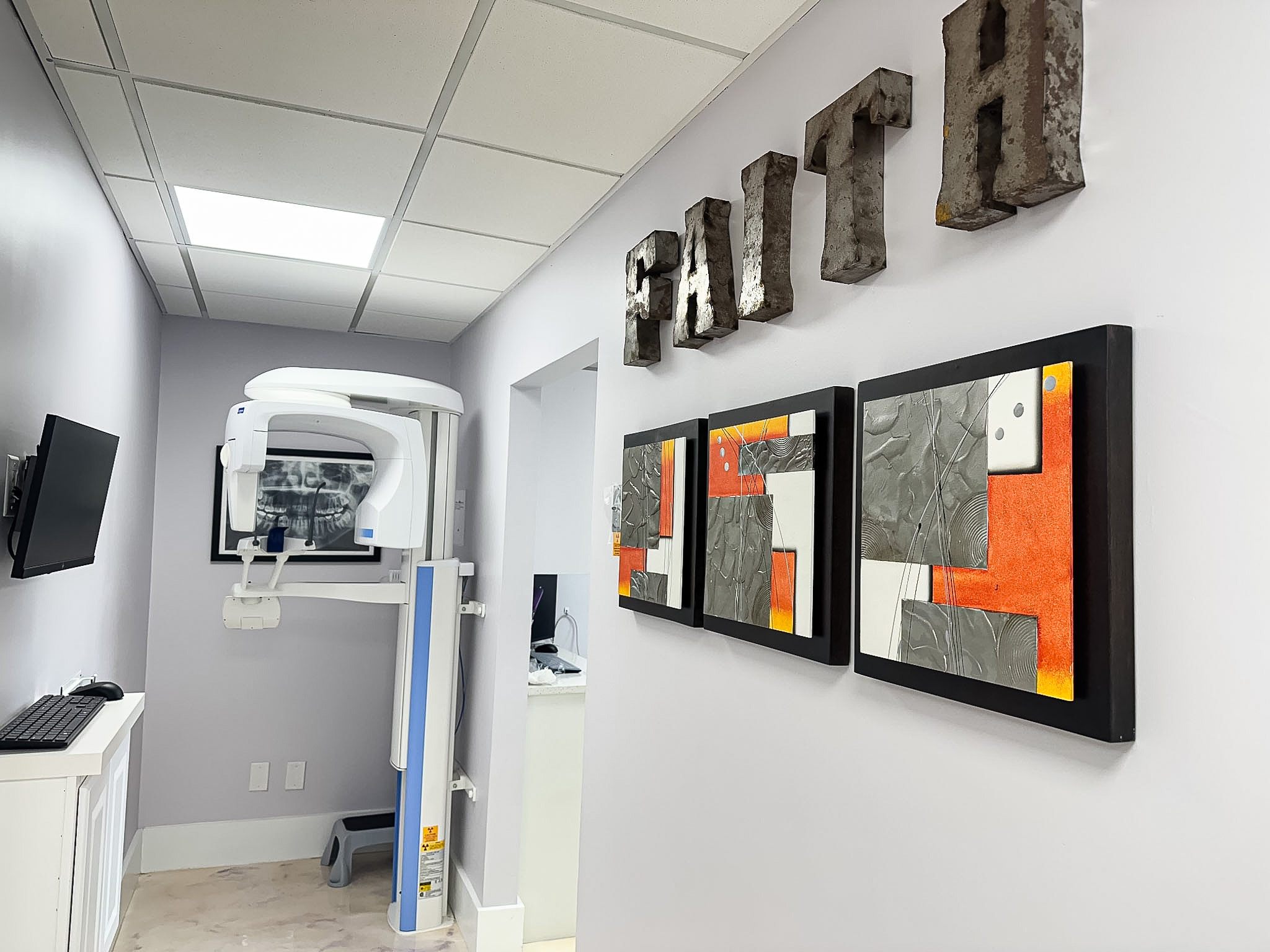
Cracks often don't show on X-rays, so we use bite tests, magnification and our intraoral camera too.
Intraoral photos appear on a screen beside you, so you can see what we see.
A crown placed before the crack spreads often prevents a root canal or extraction.
You get a written estimate before treatment, with or without insurance.
Every option is explained in English or Spanish.
Not sure what to expect? Here is exactly what happens when you come in for cracked tooth treatment at Dental Faith.
When does it hurt: biting, releasing, cold? These details help locate the crack.
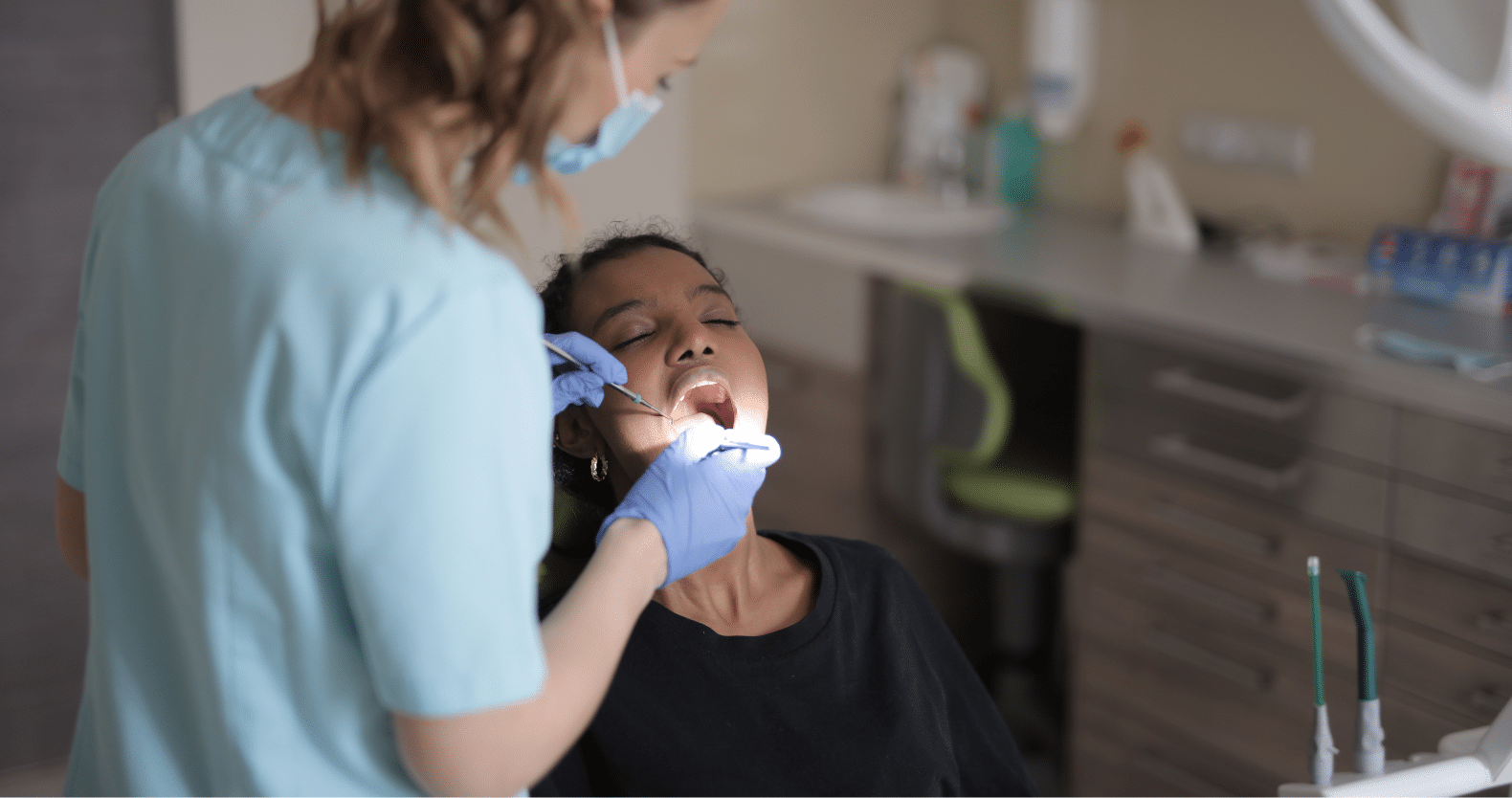
Dr. Fedler uses a bite test, magnification, intraoral photos and digital X-rays where useful.
We show you the tooth on screen, explain which type of crack it is and give you the price for each option.
Minor cracks can be treated the same visit. Crowns take one or two visits [CONFIRM]. Until then, chew on the other side.
The American Association of Endodontists describes five types of cracks. The type decides the treatment.
Type | What it is | Usual treatment |
Craze lines | Tiny surface lines in enamel only | Usually none; cosmetic polish or bonding if wanted |
Fractured cusp | A piece of the chewing surface breaks around a filling | Filling or crown |
Cracked tooth | A crack running from the chewing surface toward the root | Crown; root canal if the nerve is affected |
Split tooth | A crack that divides the tooth into separate parts | Partial saving is sometimes possible; often extraction |
Vertical root fracture | A crack starting in the root, often found late | Usually extraction |


 Trustindex verifies that the original source of the review is Google.
 Trustindex verifies that the original source of the review is Google.
 Trustindex verifies that the original source of the review is Google.
 Trustindex verifies that the original source of the review is Google.
 Trustindex verifies that the original source of the review is Google.
 Trustindex verifies that the original source of the review is Google.
 Trustindex verifies that the original source of the review is Google.
 Trustindex verifies that the original source of the review is Google.
 Trustindex verifies that the original source of the review is Google.
 Trustindex verifies that the original source of the review is Google.
Our team is a trusted dental office in Nashville. Contact us today!
Dr. Fedler evaluates the damaged tooth before recommending treatment. Our team explains the findings, possible treatment options, expected timeline, and cost in English or Spanish.
✦ Examination of the tooth and surrounding area
✦ Digital X-rays when clinically needed
✦ Treatment recommendations based on the damage
✦ English and Spanish communication
✦ Instructions for caring for the tooth after your visit
✦ Coordination with another provider when needed
You can also send us a quick text message at (615) 285-3949.
We look forward to hearing from you soon!
The most typical sign is a sharp pain when you bite down or release your bite, especially on hard or chewy food. Sensitivity to cold and pain that comes and goes are also common. An exam is needed to confirm it.
No. Enamel doesn’t grow back, and chewing pressure tends to make cracks longer. Early treatment, usually a crown, keeps the crack from spreading.
Many cracks run in a direction the X-ray beam can’t see. That’s why we also use bite tests, magnification and intraoral photos.
Call us the same day if you have swelling, constant pain or fever. If the pain only happens when you bite, book the earliest available exam and chew on the other side.
Not always. Craze lines need no treatment and small cracks may only need bonding. A crack running toward the root usually needs a crown to hold the tooth together.
Only if the crack has reached the nerve. Signs include lingering pain after cold, constant aching or swelling. Catching the crack early lowers that risk.
It depends on the treatment: bonding is typically [CONFIRM price range] and a crown [CONFIRM price range]. We give you a written estimate after the exam.
Grinding or clenching, chewing ice or hard candy, large old fillings, sudden temperature changes and injuries. If you grind at night, a night guard can protect your teeth.
Call our Nashville dentist, Dr. M. Paula Fedler, today to book your next dental appointment in order to repair your cracked tooth.