

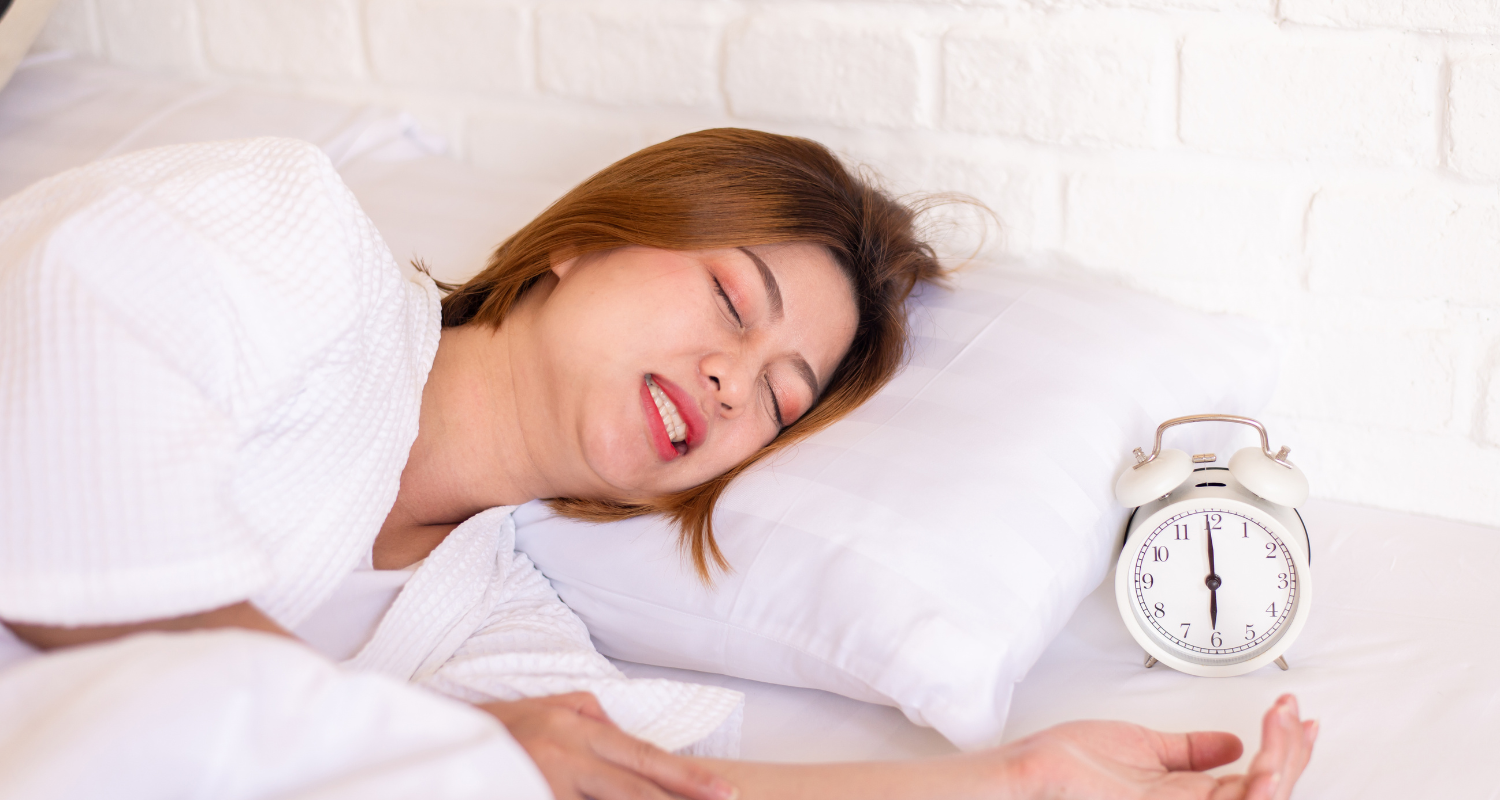
If you wake up with a sore jaw or a dull headache, you may be grinding your teeth in your sleep. Many people do it and never know. So, do you need a night guard? Sometimes yes, and sometimes no. The answer depends on your symptoms, the damage to your teeth, and what your dentist finds during an exam.
At Dental Faith, we see the effects of nighttime grinding often. This article explains what sleep bruxism is, when a night guard helps, what the downsides are, and what you can try besides a guard. We keep it simple so you can decide your next step with confidence.
What Is Sleep Bruxism?
Sleep bruxism is grinding your teeth or clenching your jaw while you sleep. You do not choose to do it. It happens without your control, which is why so many people only find out when a partner hears the noise or a dentist spots the wear.
Common Causes and Contributing Factors
No single cause explains every case. Common factors include:
- Stress and worry
- Certain medications, including some used for mood or focus
- Caffeine, alcohol, or tobacco
- Poor sleep habits
- Sleep related conditions such as sleep apnea
- A bite that does not line up well
Occasional Grinding vs. Persistent Bruxism
Almost everyone grinds now and then, especially during a stressful week. That kind of grinding often fades on its own and rarely causes harm. Persistent bruxism is different. It happens most nights, and over months or years it can wear down enamel, crack teeth, and strain the jaw. If the signs keep showing up, it is time to get checked.
Do You Need a Night Guard for Teeth Grinding?
Not everyone who grinds needs one. A dentist may recommend a night guard when grinding is causing real problems, such as:
- Worn down or flat teeth
- Chipped or cracked teeth
- Damaged dental fillings or crowns
- Jaw soreness
- Morning headaches
If your teeth look healthy and you have no pain, your dentist may suggest monitoring instead. They can check for changes at each visit and step in if damage begins.
One point is important. A night guard protects your teeth, but it does not always stop the grinding itself. Think of it as a shield, not a cure. You may still clench with the guard in, but your teeth take less of the force.
What Are the Signs You Need a Night Guard?
Look for these clues:
- Flattened, chipped, or cracked teeth. Grinding wears the biting edges smooth over time.
- Tooth sensitivity. Thin enamel can make hot and cold drinks sting. In some cases, the gums also pull back, which can lead to exposed tooth roots.
- Unexplained dental damage. Repeated broken fillings or crowns can point to heavy grinding.
- Morning jaw pain or stiffness. Your jaw muscles work all night, so they feel tired when you wake.
- Headaches near the temples. These often show up soon after waking.
- Grinding sounds. A partner or family member may hear them.
- Discomfort when chewing after you wake up.
Any one of these signs is a good reason to bring it up at your next visit. If a tooth suddenly hurts or breaks, our team can help with a cracked tooth right away.
How Does a Night Guard Work?
A night guard is a thin plastic or silicone cover that fits over your upper or lower teeth. It sits between the two sets of teeth so they do not rub or slam together. The guard takes the wear instead of your enamel.
This helps in a few ways:
- It lowers the damage to enamel and to dental work like crowns and veneers
- It spreads biting force more evenly
- It can ease strain on the jaw muscles for some people
It has limits, too. A guard does not treat stress, medication effects, or a sleep disorder. If you have ongoing pain or tooth damage, a dentist should look at the cause, not just the symptom. Regular routine dental exams give your dentist the chance to track wear and catch problems early.
Custom Night Guard vs. Store Bought Night Guard
You can buy a guard at a drugstore or get one made by your dentist. Here is how they compare.
| Feature | Store bought | Custom from your dentist |
| Fit | General size, may feel bulky | Made from a mold or scan of your teeth |
| Comfort | Varies, can shift at night | Usually more comfortable |
| Durability | Often wears out sooner | Built to last longer |
| Cost | Lower up front | Higher up front |
| Best for | Short term, mild grinding | Heavy grinding, jaw pain, or complex dental work |
A custom guard often makes sense if you grind hard or have crowns, bridges, or implants to protect. A poor fit can feel awkward and may not protect well. If you already have jaw pain or other dental problems, talk to your dentist before you buy anything off the shelf. Many people searching for the best night guard for teeth grinding end up choosing a custom one for this reason. If you have a lot of dental work, ask how a guard fits with your dental crowns and other repairs.
What Are the Disadvantages and Side Effects of Night Guards?
Night guards are safe for most people, but they are not perfect. Possible downsides include:
- Adjustment period. The first few nights can feel strange.
- Extra saliva or a dry mouth. Both can happen when something new sits in your mouth.
- Mild irritation. A rough edge can bother your gums or cheeks.
- Bite changes. A guard that is worn out, damaged, or poorly fitted may cause discomfort or make your bite feel off.
- Upkeep. A guard needs cleaning and care.
These are the usual silicone mouth guard side effects, and most fade as you get used to the device. If a guard keeps hurting, stop using it and call your dentist. Do not push through pain.
Cleaning and Storage
Rinse your guard after each use. Brush it gently with a soft toothbrush and cool water. Hot water can bend the plastic. Let it dry, then keep it in a ventilated case. Bring it to your checkups so your dentist can look for cracks or wear.
Night Guard vs. Retainer: What Is the Difference?
The two look alike, but they do different jobs.
- A retainer keeps your teeth in place after braces or other alignment work. It holds your smile where it is.
- A night guard protects your teeth from grinding damage.
Retainers are often thinner and shaped to hold tooth position. Night guards are usually thicker and made to take heavy biting force. One should not automatically replace the other. If you wear a retainer and also grind, ask your dentist which appliance you need, or whether you need both. If you finished orthodontics not long ago, your dentist can explain how to protect your results. Straight teeth bring lasting benefits, as you can read in our post on the benefits of straight teeth.
Can a Night Guard Help With TMJ Pain?
Your temporomandibular joints connect your jaw to your skull. Grinding and clenching put stress on the muscles around these joints. Over time, that stress may lead to jaw pain, clicking, or tight muscles, which are often called TMJ disorders.
A dentist may recommend a TMJ night mouth guard when grinding seems to be part of the problem. A TMJ mouth guard from a dentist is made to fit your bite, which helps it work better than a generic one.
A guard may not solve every case, though. TMJ symptoms can come from arthritis, injury, or other causes. If you have jaw pain that will not go away, or trouble opening your mouth wide, see a dentist for a full exam. Do not wait for it to get worse.
Can You Sleep With a Mouth Guard Every Night?
Yes, in most cases. Dentists often prescribe night guards to wear every night while you sleep. Follow your dentist’s advice on how long to wear it. For TMJ, the length of time depends on your symptoms and how you respond, so ask your dentist for a plan that fits you.
To keep sleeping with a mouthguard safe and comfortable:
- Make sure it fits well
- Clean it daily
- Check it for cracks or thin spots
- Tell your dentist if your bite feels different
Bruxism Guards vs. Sleep Apnea Devices
A night guard for grinding is not the same as a sleep apnea mouth guard. Sleep apnea devices move the jaw forward to keep the airway open. A regular grinding guard does not do that. If you snore loudly or stop breathing at night, see a doctor. A night guard should never replace sleep apnea treatment.

Can You Stop Teeth Grinding Without a Night Guard?
Sometimes you can lower the grinding with daily habits. These steps may help:
- Manage stress. Try deep breathing, a warm shower, or light stretching before bed.
- Keep a steady sleep routine. Go to bed and wake up at the same times.
- Cut back on caffeine, alcohol, and tobacco, especially in the evening.
- Avoid chewing gum or pens during the day, which can train your jaw to clench.
- Get checked for a sleep disorder if you snore, gasp, or feel tired all day.
What works depends on the cause and how strong the grinding is. Habit changes can reduce grinding for some people, but others still need a guard to protect their teeth.
How Much Does a Dental Night Guard Cost?
Prices vary. They depend on where you live, the material, the dental office, and the type of appliance. Store bought guards usually cost much less at first. Custom guards cost more up front, but they tend to last longer and fit better, so many patients find them a better value.
Ask your dentist about:
- Adjustments after you start using it
- Replacement if it wears out
- Insurance coverage, if you have a plan
If you do not have insurance, our tips on how to budget for dental work without insurance can help you plan.
When Should You See a Dentist About Teeth Grinding?
Book a visit if you notice:
- Jaw pain that keeps coming back
- Chipped, worn, or cracked teeth
- New sensitivity
- Frequent morning headaches
Early care can stop small wear from turning into larger repairs. Your dentist can use dental x-rays to look beneath the surface and see what is going on with your teeth and bone. If damage has already happened, restorative dentistry can repair it. A painful tooth should not wait, so see us for a toothache as soon as you can.
Also see a doctor if you grind and also have signs of sleep apnea, like loud snoring or pauses in breathing. Many families choose a family dentist in Nashville so one team can track changes in their teeth over the years.
Frequently Asked Questions
Do you need a night guard for teeth grinding?
Not always. A guard makes sense if grinding is wearing down teeth, damaging dental work, or causing jaw pain. If there is no damage, your dentist may simply monitor you.
What are the signs that you need a night guard?
Common signs are flat or chipped teeth, tooth sensitivity, morning jaw pain, headaches near the temples, and grinding sounds heard by a partner.
Is it safe to sleep with a mouth guard every night?
Yes, for most people, when it fits well and is cleaned daily. Tell your dentist if you have lasting pain or your bite feels different.
What are the disadvantages of night guards?
They can feel odd at first, cause extra saliva or a dry mouth, and need regular cleaning. A worn or poorly fitted guard may cause discomfort.
Can a night guard stop teeth grinding permanently?
No. A guard protects your teeth but does not cure bruxism. Grinding may continue even while you wear one.
Is a custom night guard better than a store bought guard?
Often, yes. Custom guards fit better, feel more comfortable, and last longer. They are a good choice for heavy grinders and people with major dental work.
What is the difference between a night guard and a retainer?
A retainer holds your teeth in position. A night guard protects them from grinding. They are not the same, so one should not replace the other without advice from your dentist.
Can a night guard help with TMJ pain?
It may help when grinding is part of the cause. Not every TMJ problem comes from grinding, so a dental exam is important.
What are the side effects of wearing a mouth guard?
Possible effects include extra saliva, dry mouth, mild gum or cheek irritation, and a feeling that your bite is off if the guard is damaged or does not fit.
Can you stop grinding your teeth at night without a night guard?
Stress relief, steady sleep habits, and less caffeine and alcohol can help some people. Others still need a guard for protection.
How much does a dental night guard cost?
It varies by dental office, material, and type. Store bought options cost less up front, and custom guards cost more but often last longer.
Can you use a night guard if you have sleep apnea?
A regular grinding guard does not treat sleep apnea. If you think you have it, see a doctor. Sleep apnea needs its own treatment plan.
Protect Your Teeth Before Damage Adds Up
Grinding often goes unnoticed until the damage is done. If your jaw aches in the morning or your teeth look worn, do not guess. Book a visit with Dental Faith and let us check your teeth, talk through your symptoms, and decide together whether a night guard is right for you. Regular dental cleanings and exams make it easier to spot wear early and keep your smile strong.