
Losing teeth is common as you get older. But living with missing teeth does not have to be. Dental implants offer seniors a permanent, comfortable, and natural-looking solution that works at any age.
Many people assume implants are only for younger patients. That is simply not true. People in their 60s, 70s, and even 80s get dental implants every day. Age alone does not disqualify you. What matters most is your overall health and the condition of your gums and jawbone.
If you have been relying on dentures or avoiding certain foods because of missing teeth, this guide will walk you through everything you need to know.
Can Seniors Get Dental Implants?
Yes. There is no upper age limit for dental implants. The procedure works just as well for older adults as it does for younger patients. What your dentist will look at is your overall health, not your age.
Modern implant technology has made the procedure more accessible than ever. With proper planning, most seniors are good candidates.
What Makes a Senior a Good Candidate?
Your dentist will evaluate a few key factors:
- Healthy gums with no active infection
- Enough jawbone to support the implant
- Controlled chronic conditions like diabetes or heart disease
- Good oral hygiene habits
- Non-smoking status or willingness to quit
Conditions like osteoporosis, diabetes, or heart disease do not automatically rule you out. They just require extra evaluation and coordination with your doctor. Many seniors with these conditions still successfully receive implants.
Benefits of Dental Implants for Seniors
Implants do far more than fill a gap in your smile. They improve your daily life in ways that matter.
Better Eating and Nutrition
Dentures make it hard to eat certain foods. Many seniors end up avoiding crunchy vegetables, apples, nuts, and meat because chewing is painful or difficult. That limits your diet and your nutrition.
Dental implants function like natural teeth. You can bite and chew normally. That means you can eat a wider variety of healthy foods, which supports your overall health and energy levels.
Prevention of Bone Loss and Facial Changes
When a tooth is missing, the jawbone underneath begins to shrink. Over time, this causes what many people call a sunken face appearance. It makes you look older and changes the shape of your jaw.
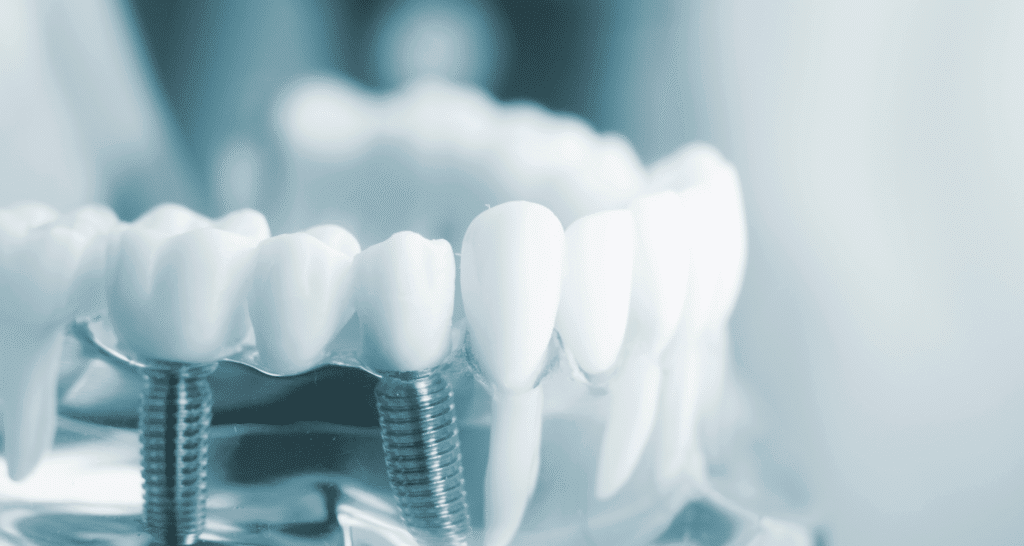
Implants are placed directly into the jawbone, just like a natural tooth root. That stimulates the bone and prevents it from shrinking. No other tooth replacement option does this. Dentures sit on top of the gum and actually allow bone loss to continue.
More Stable Than Dentures
Dentures slip, slide, and require messy adhesives. They can cause sore spots on your gums. They can make you feel self-conscious when speaking or laughing.
Implants stay fixed in place. There is nothing to remove, nothing to soak overnight, and no adhesive creams. You brush and floss them just like your natural teeth.
Types of Dental Implants for Seniors
| Implant Type | Best For | Key Benefit |
| Single Tooth Implant | One missing tooth | Natural look and function |
| Implant-Supported Bridge | Several missing teeth | Fewer implants needed |
| All-on-4 Implants | Full arch replacement | Full smile on four implants |
| Implant-Supported Dentures | Loose existing dentures | Much more stability |
| Mini Dental Implants | Limited bone volume | Less invasive option |
Our dental implants page covers these options in more detail so you can see which one fits your situation.
Dental Implants vs Dentures for Seniors
| Feature | Dental Implants | Dentures |
| Stability | Permanent | Removable |
| Bone Preservation | Yes | No |
| Comfort | High | Moderate |
| Speech | Natural | Can shift |
| Lifespan | 20 or more years | Often replaced |
| Maintenance | Brush and floss | Remove for cleaning |
The difference is clear. Implants are the longer-lasting, more comfortable option. Dentures are easier to get started with and cost less upfront, but they require ongoing maintenance and replacement costs that add up over time.
What Is the Dental Implant Procedure Like?
The process is straightforward and well-planned. Here is what to expect:
Step 1: Consultation and Imaging Your dentist takes X-rays and reviews your bone density and gum health. A CBCT scan may be used for a detailed 3D view of your jaw.
Step 2: Treatment Planning Your dentist maps out the full procedure, including whether any bone grafting is needed first.
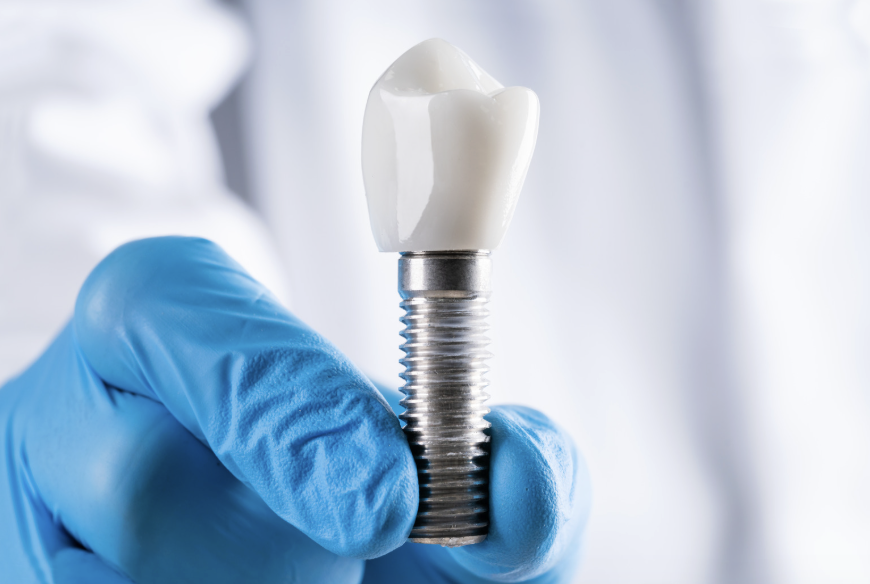
Step 3: Implant Placement A small titanium post is placed into the jawbone under local anesthesia. Most patients say the discomfort is much less than expected.
Step 4: Healing Over the next few months, the implant fuses with the bone in a process called osseointegration. This is what makes the implant so stable.
Step 5: Crown or Denture Attachment Once healed, a custom crown or prosthetic tooth is attached. At this point, your smile is complete.
Healing and Recovery for Seniors
Recovery may take a little longer for older adults, but most seniors do very well. Swelling and mild soreness are normal in the first few days. A soft food diet is recommended during early healing. Follow-up visits help your dentist monitor progress.
Proper aftercare makes a big difference. Following your dentist’s instructions closely gives your implant the best chance of long-term success.
Dental Implants for Seniors With Bone Loss
Bone loss is very common in older adults, especially if teeth have been missing for years. The good news is that bone loss does not always prevent you from getting implants.
Bone grafting can rebuild the jawbone in areas where it has shrunk. A sinus lift may be needed for upper jaw implants when bone height is limited. Mini dental implants are a less invasive option for patients with reduced bone volume.
Your dentist will assess your bone density and recommend the right path forward. Do not assume bone loss means implants are off the table. Many seniors with significant bone loss still go on to receive successful implants after grafting.
If you are already dealing with gum-related issues, our periodontal therapy page explains how we treat gum disease before starting implant treatment.
Are Dental Implants Safe for Seniors?
Yes. Dental implants have a success rate of 95 to 98 percent, which is very high for any medical procedure. Decades of clinical research support their long-term safety and effectiveness.
That said, like any procedure, there are potential risks:
- Infection at the implant site
- Slow or incomplete healing
- Implant failure in rare cases
- Peri-implantitis, which is inflammation around the implant
Most of these risks are manageable with good oral hygiene and regular dental visits. Your dentist will discuss all risks with you before the procedure.
Dental Implants and Common Medical Conditions
Diabetes Controlled diabetes is generally not a barrier to implants. However, high blood sugar slows healing and raises infection risk. If your diabetes is well-managed, you are likely still a good candidate.
Osteoporosis Osteoporosis affects bone density, which can impact how well an implant integrates. Some medications used for osteoporosis also require careful management before oral surgery. Your dentist will work with your physician to plan safely.
Heart Disease Patients on blood thinners or with certain heart conditions may need medical clearance before surgery. This is routine and manageable with good communication between your dental and medical teams.
How Much Do Dental Implants Cost for Seniors?
| Treatment | Estimated Cost |
| Single Implant | $3,000 to $6,000 |
| Implant-Supported Bridge | $6,000 to $15,000 |
| All-on-4 Implants | $15,000 to $30,000 |
| Full Mouth Implants | $30,000 to $50,000 |
Costs vary based on location, the number of implants needed, sedation, imaging, and whether bone grafting is required. While the upfront cost is higher than dentures, implants typically last much longer and eliminate ongoing expenses like adhesives, adjustments, and replacements.
Does Medicare Cover Dental Implants?
Original Medicare does not cover dental implants in most cases. Dental care is generally excluded from standard Medicare coverage.
However, some Medicare Advantage plans include dental benefits that may offset part of the cost. Coverage varies widely by plan. It is worth calling your plan provider to ask specifically about implant coverage.
Private dental insurance may also help with some costs, though many plans have annual maximums that limit how much they pay. Financing options can bridge the gap for many patients.
Affordable Dental Implant Options for Seniors
Cost should not be the reason you live with missing teeth. There are ways to make implants more affordable:
- Monthly payment and financing plans
- Dental school clinics that offer lower-cost implant placement under supervision
- Phased treatment plans that spread costs over time
- Implant-supported dentures as a more affordable full-arch option
- Mini implants for patients with limited bone who want a less invasive, lower-cost option
Many patients are surprised by how manageable the monthly cost is with a financing plan. A one-time investment in implants also eliminates years of denture replacement and repair costs.
How Long Do Dental Implants Last?
With proper care, dental implants can last 20 years or more. Many patients keep their implants for the rest of their lives. The crown attached to the implant may need replacement after 10 to 15 years, but the implant post itself can last indefinitely.
Factors that affect longevity include:
- Oral hygiene habits
- Regular professional cleanings
- Smoking status
- Gum disease management
- Blood sugar control in diabetic patients
Caring for Dental Implants as a Senior
Implant care is simple. Brush twice a day and floss daily. A water flosser can be helpful for cleaning around the implant base. Visit your dentist regularly for cleanings and checkups.
Avoid smoking, as it significantly increases the risk of implant failure. If you have gum disease, keep it under control. Peri-implantitis, which is infection around the implant, is preventable with consistent hygiene habits.
You can also read our blog on advanced periodontitis treatment to understand how gum disease is managed around natural teeth and implants alike.
Signs You May Need Dental Implants
Consider scheduling a consultation if you are experiencing any of the following:
- One or more missing teeth
- Loose or uncomfortable dentures
- Difficulty chewing your favorite foods
- Changes in the shape of your face or jaw
- Speech problems related to missing teeth
- Embarrassment about your smile in social situations
These are all signs that your current tooth replacement solution may not be serving you well.
According to the American Academy of Implant Dentistry, over 3 million Americans have dental implants and that number grows by 500,000 each year, with seniors making up a significant and growing portion of those patients.
Frequently Asked Questions
Are dental implants safe for seniors?
Yes. Implants have a success rate of 95 to 98 percent and are supported by decades of research. Most seniors tolerate the procedure well with proper planning.
Can a 70-year-old get dental implants?
Absolutely. Age is not a deciding factor. Health and bone density matter far more than how old you are.
Can seniors with bone loss get implants?
In many cases, yes. Bone grafting can restore enough bone to support an implant. Mini implants are another option for patients with limited bone.
What is the best tooth replacement option for seniors?
Dental implants are widely considered the most effective long-term solution. They preserve bone, feel natural, and do not require removal or adhesives.
How painful are dental implants for older adults?
Most patients report less discomfort than expected. Local anesthesia is used during placement. Some soreness follows but is usually manageable with over-the-counter pain relief.
How long does implant recovery take?
Initial healing takes one to two weeks. Full integration of the implant with the bone takes several months. Most daily activities can resume quickly after placement.
Do implants work better than dentures?
For most patients, yes. Implants are more stable, more comfortable, and do not require the ongoing maintenance that dentures do.
Does Medicare pay for dental implants?
Original Medicare does not cover implants. Some Medicare Advantage plans may offer partial coverage. Check your specific plan for details.
Can osteoporosis affect dental implants?
It can be a factor. Bone density and certain osteoporosis medications need to be evaluated. Many patients with osteoporosis still successfully receive implants with proper coordination between their dentist and physician.
How long do implants last in seniors?
With good care, implants can last 20 years or more. Many patients keep theirs for life.
Ready to find out if dental implants are right for you? Visit Dental Faith in Nashville for a personalized consultation. Dr. Fedler and our team will review your health history, assess your bone and gum condition, and help you understand all your options. Call us at 615-285-3949 or stop by 390 Harding Place, Suite 101, Nashville TN 37211.