
A tooth that is badly decayed, broken or infected can keep hurting until it is treated. When it can’t be saved, removing it stops the pain and protects the teeth around it.
Dr. M. Paula Fedler explains why the tooth needs to come out, what the extraction involves and what it costs before anything starts. Our team speaks English and Spanish.
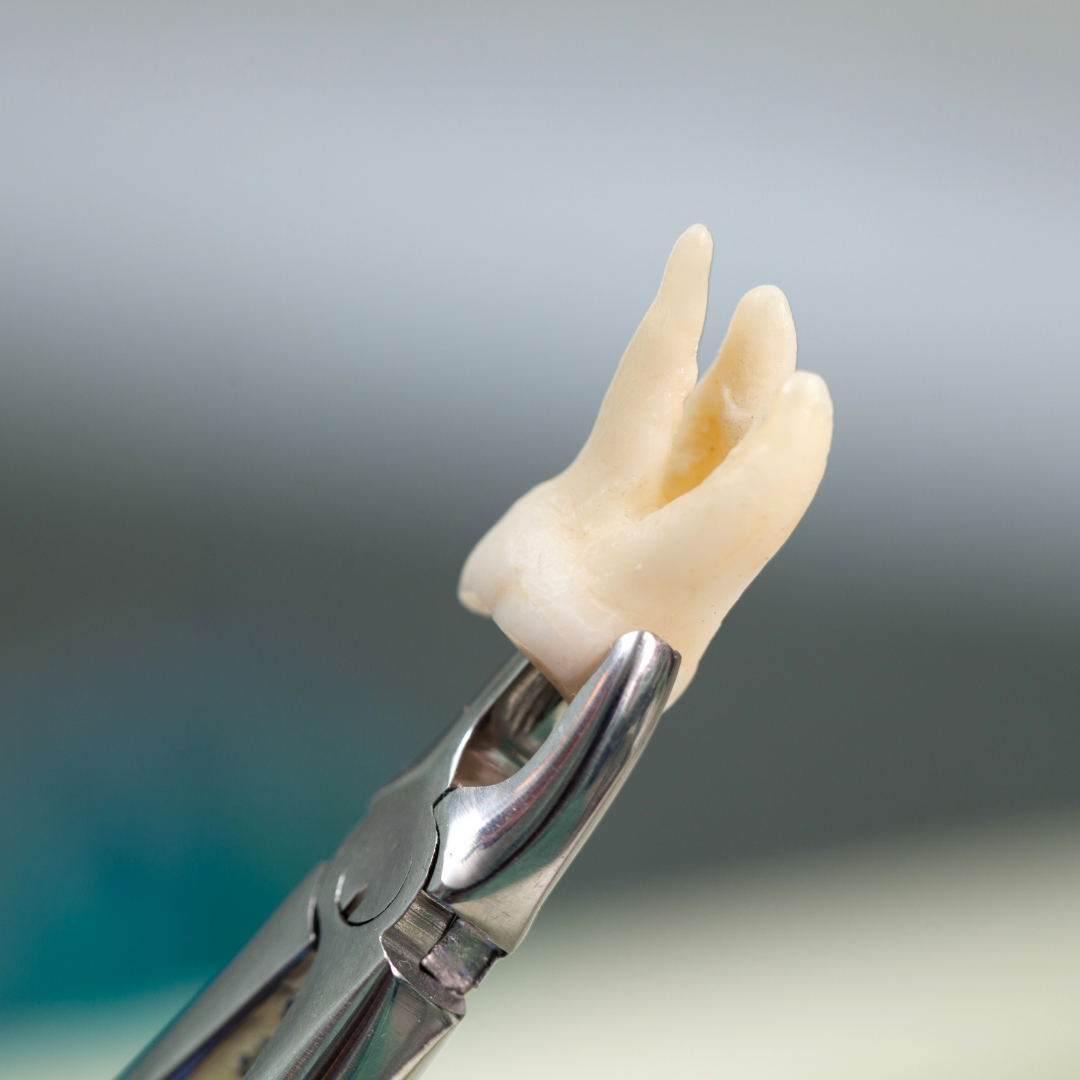
The right approach depends on the tooth, its roots and how much of it is visible above the gums.
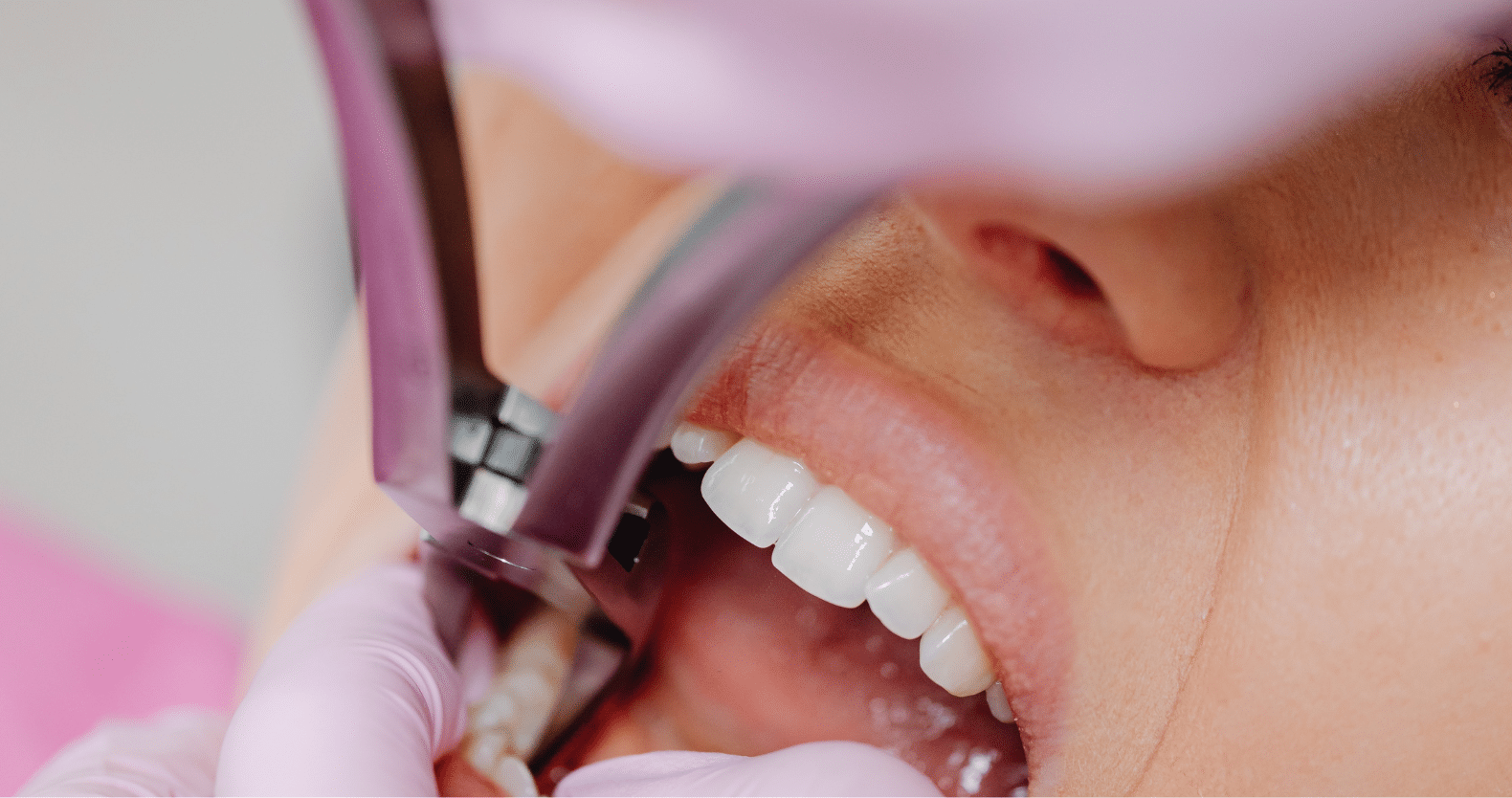
For a tooth that is fully visible above the gumline. The area is numbed, the tooth is gently loosened and removed, usually in one short visit.
For a tooth broken at the gumline, a tooth with curved roots, or a tooth that hasn’t fully come in. A small opening in the gum gives access so the tooth can be removed in sections.
Wisdom teeth that are impacted, infected or crowding other teeth often need to come out. X-rays show their position before we recommend removal.
A tooth infection can spread quickly and become a serious health problem. We remove the infected tooth and address the infection before it goes further. Treat an Infected Tooth
Smiles transformed
Google reviews
English & Spanish
Appointments available
We review your X-rays with you and explain why the tooth needs to come out, and whether any other option exists.
The area is fully numbed before we begin. You may feel pressure, but you shouldn't feel sharp pain.
You receive a written estimate before treatment, with or without insurance.
Instructions, consent and aftercare are explained in English or Spanish.
We want you to know exactly what happens so nothing catches you off guard.
Dr. Fedler checks the tooth, gums and roots, and takes digital X-rays to plan the safest removal.
Local anesthetic numbs the tooth and surrounding gum. We wait until you are fully numb before starting.
The tooth is gently loosened and removed. Gauze is placed to control bleeding and help a clot form.
You go home with written instructions in English or Spanish and know when to call us.
Extraction type | Without insurance | With insurance |
Simple extraction | [CONFIRM price range] | Often partly covered |
Surgical extraction | [CONFIRM price range] | Often partly covered |
Wisdom tooth (per tooth) | [CONFIRM price range] | Depends on plan |
Exam + X-ray (new patient) | [CONFIRM price or special] | Usually covered |
Uninsured? Ask about our new-patient special and payment options.


 Trustindex verifies that the original source of the review is Google.
 Trustindex verifies that the original source of the review is Google.
 Trustindex verifies that the original source of the review is Google.
 Trustindex verifies that the original source of the review is Google.
 Trustindex verifies that the original source of the review is Google.
 Trustindex verifies that the original source of the review is Google.
 Trustindex verifies that the original source of the review is Google.
 Trustindex verifies that the original source of the review is Google.
 Trustindex verifies that the original source of the review is Google.
 Trustindex verifies that the original source of the review is Google.
Our team is a trusted dental office in Nashville. Contact us today!
First 24 hours: Bite on gauze for 30–45 minutes. Rest, keep your head raised and use a cold pack on your cheek for 20 minutes on, 20 minutes off.
Days 2–3: Swelling and soreness peak and then ease. Eat soft foods such as yogurt, eggs, soup and mashed potatoes. Start gentle warm salt-water rinses the day after the extraction.
Avoid for at least 3 days: Straws, smoking or vaping, spitting hard, and alcohol. These can dislodge the blood clot and cause dry socket.
Call us if: Bleeding doesn’t slow after several hours; pain gets worse after day 3; or you have fever, pus or a bad taste that won’t go away.
Many of our patients prefer to discuss treatment in Spanish. Dr. Fedler and our team explain the diagnosis, consent forms, cost and aftercare in the language you’re most comfortable with.
You can also send us a quick text message at (615) 285-3949.
We look forward to hearing from you soon!
A simple extraction at Dental Faith is typically [CONFIRM price range], and a surgical extraction [CONFIRM price range]. The exam and X-ray are priced separately unless you qualify for our new-patient special. You get a written estimate before treatment.
The area is numbed before we begin, so you should feel pressure but not sharp pain. Soreness for two to three days afterward is normal and usually managed with over-the-counter pain relievers.
Often, yes, when the tooth is causing pain or infection and the schedule allows. Call early in the day and describe your symptoms so we can find the earliest opening.
A simple extraction usually takes 20 to 40 minutes, including numbing. Surgical and wisdom tooth extractions take longer.
Dry socket happens when the blood clot leaves the socket, exposing bone, and causes throbbing pain around day 3. Avoid straws, smoking and hard spitting for at least three days to protect the clot.
Stick to soft foods for the first two to three days. Most people return to their usual diet within a week, chewing on the other side.
If it’s a back molar, a gap can let nearby teeth tip and shift over time. If it’s a visible tooth, most people want to replace it. We’ll explain bridge, partial and implant options.
Call our Nashville dentist, Dr. M. Paula Fedler, today to book a dental extraction consultation.