

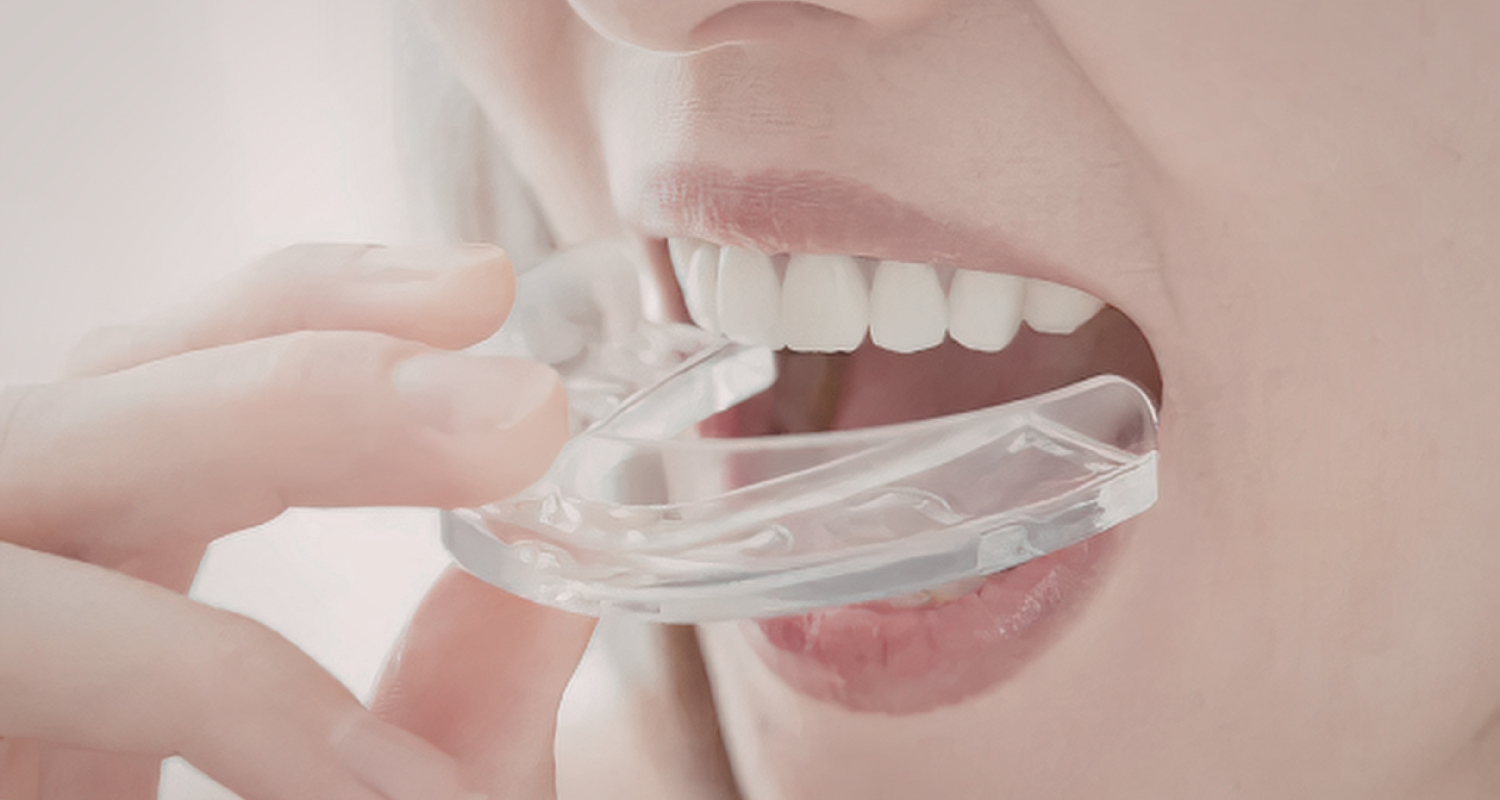
Football is a contact sport. Helmets get most of the attention, but your teeth need protection too. A single hard hit can chip, crack, or knock out a tooth in a second. A football mouthguard is a small, low cost piece of gear that helps lower that risk.
At Dental Faith, we want players and parents to feel sure about what to buy and how to use it. This guide covers why a mouthguard matters, the main types, how to pick one, how to care for it, and when to replace it. It also answers common questions about kids, braces, concussions, and teeth grinding.
Why Do Football Players Need Mouthguards?
Football has frequent collisions, falls, and stray elbows. Without a guard, the front teeth take much of that force. Common injuries include:
- Chipped or broken teeth
- Teeth pushed out of place or knocked out
- Cuts to the lips and cheeks
- Bites to the tongue
- Jaw injuries
A mouthguard helps by absorbing and spreading out the force of a hit. It also puts a soft barrier between your teeth and your lips and cheeks, so you are less likely to get cut.
It is worth being honest about the limits. A mouthguard lowers the risk of dental injuries, but it cannot stop every one. A strong hit can still damage a tooth. If that happens, see a dentist quickly. A broken tooth or a cracked tooth needs prompt care, and acting fast gives you the best chance to save it.
What Are the Different Types of Football Mouthguards?
There are three main types of sports mouthguards:
- Stock mouthguards. These come ready to wear, straight from the package.
- Boil and bite mouthguards. You soften them in hot water and mold them to your teeth.
- Custom fitted mouthguards. A dentist makes these just for you.
They differ in fit, comfort, price, and convenience. Fit matters a lot in a contact sport. A guard that slips, rattles, or makes you gag is hard to keep in. A guard that stays put and lets you breathe and talk is much more likely to be worn for the whole game.
Stock vs. Boil and Bite vs. Custom Fitted Mouthguards
| Feature | Stock | Boil and bite | Custom fitted |
| Cost | Lowest | Low to moderate | Highest |
| Fit | Basic, often loose | Better, shaped at home | Made for your mouth |
| Comfort | Can feel bulky | Usually comfortable | Often the most comfortable |
| Convenience | Ready right away | Needs a few minutes to mold | Needs a dental visit |
| Retention | Often needs you to clench | Fair to good | Very good |
Stock guards are cheap and easy to find. The downside is that they come in a few sizes only. Many players have to bite down to hold them in place, which makes breathing and talking harder.
Boil and bite guards are a popular middle choice. You soften the guard in hot water, place it in your mouth, and bite down so it takes the shape of your teeth. Follow the directions on the package closely. Too much heat can warp the guard, and a poor mold can leave gaps.
Custom fitted guards are made by a dentist, often from an impression or a digital scan of your teeth. Because they match your mouth, they usually fit snugly and feel more comfortable. Many families find that is worth the extra cost, especially for players who take frequent hits.
How do you choose? Think about your budget, your level of play, and how often you play. A stock guard is better than none, but a better fitting guard is more likely to stay in and do its job. If you want the best mouthguard for football based on fit and comfort, a custom option is often the strongest choice.
How Do You Choose the Best Football Mouthguard?
Look for these features when you shop:
- A secure fit. It should stay in place without you biting down on it.
- Comfort. It should not rub your gums or cheeks.
- Easy breathing. You should be able to get air without trouble.
- Clear speech. Players need to call plays and talk to teammates.
- Little adjusting. If you keep fixing it during play, it does not fit well.
Also think about the player. Age, dental development, and level of contact all matter. A child with a mix of baby and adult teeth has different needs than an adult. Check your league’s rules and equipment requirements before you buy, since some leagues set standards for the guards players may use.
If you are not sure which guard is right, a dental exam is a good place to start. Regular routine dental exams let your dentist check your teeth and bite and talk about protection for sports.
Do Football Mouthguards Differ by Position?
A little, but fit matters more than position.
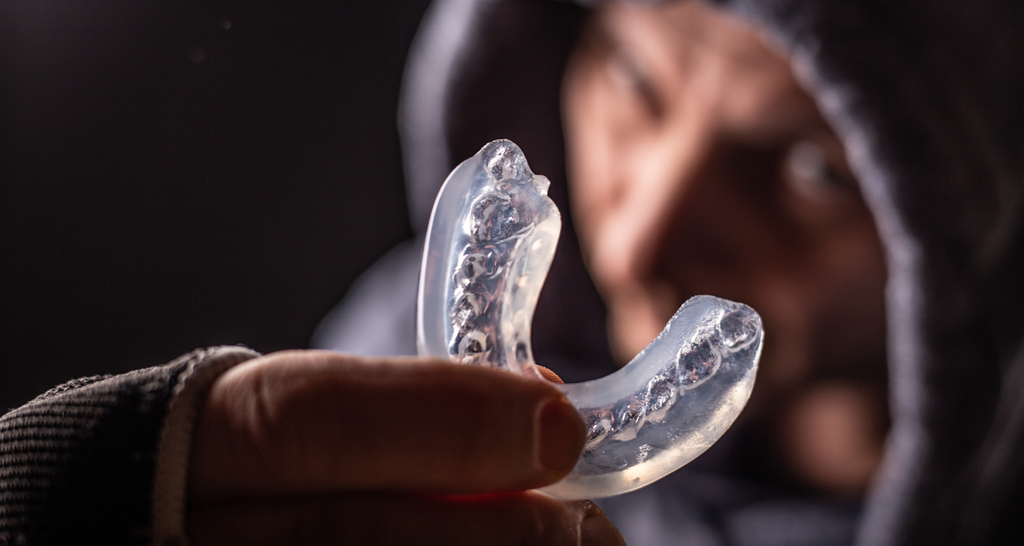
Players may feel different needs depending on their role. Quarterbacks, receivers, and defensive backs often need to talk and breathe easily, so comfort and speech can be a bigger concern. Linemen deal with constant close contact on almost every play, so they want a guard that stays secure through repeated impact.
That said, thickness and design should follow the maker’s guidance and any safety standards that apply. Do not choose a guard based on position alone. A well fitted guard with the right level of protection will serve a lineman or a skill player better than a poor fit that only seems right for the role. If you have questions about what suits your child or your game, your dentist can help you sort it out.
What Is the Best Football Mouthguard for Kids?
Children in youth football need dental protection too. Their teeth are still growing, and a hit to a young mouth can cause real damage. Knowing when kids lose their baby teeth can help parents see why fit changes quickly at this age.
Here is how the options compare for young athletes:
- Stock guards are cheap, but they often fit poorly and may come loose.
- Boil and bite guards work well for many kids, and you can re-mold some of them as teeth change. Follow the product directions.
- Custom fitted guards offer the best fit, though a growing child may need a new one sooner.
Since a child’s teeth and jaws keep changing, a guard that fit last season may not fit now. Talk to your dentist about sizing and when to replace it. If a child lost a baby tooth early, a space maintainer may be in place, and your dentist can advise on how to protect it during sports. If your child is new to the dentist, tips on the first dental visit can make the first appointment easier.
Can You Wear a Football Mouthguard With Braces?
Yes, and it is a smart idea. Braces add metal that can cut the lips and cheeks if you take a hit. A mouthguard puts a cushion between the hardware and your soft tissue. It also helps protect your teeth and the braces themselves.
Some guards are made for braces. They have extra room so the guard does not press on teeth that are moving. A regular tight fitting guard may not be right for you, because it can push on teeth during orthodontics treatment. As your teeth shift, the fit can also change.
Ask your orthodontist or dentist which option works best for you. Patients who care for their smile now will enjoy the benefits later, as you can read in our post on the benefits of straight teeth.
How Should You Clean and Maintain a Football Mouthguard?
A mouthguard sits in your mouth for hours, so it needs regular care. Follow these steps:
- Rinse it with cool water after every use.
- Brush it gently with a soft toothbrush and mild soap or a cleaner made for mouthguards.
- Avoid hot water, which can warp the shape.
- Dry it and keep it in a clean case with air holes.
- Never leave it in a hot car or in direct sun.
Check the guard often. Look for tears, thin spots, bite marks, or a change in shape. If it feels loose or looks worn, it is time to think about a new one. Good care of your mouth matters too. Regular dental cleanings keep your teeth and gums healthy, which also helps your guard fit well.
When Should You Replace a Football Mouthguard?
Replace your guard when it is damaged, worn, or no longer fits well. A guard that does not fit right cannot protect you the way it should.
Other times to replace one:
- After a season of heavy use
- When a child’s teeth and jaws change
- After dental work, such as new braces or a new crown
- When the manufacturer says it is time
There is no single schedule that works for every player. A lineman who plays hard each week may wear out a guard faster than a casual player. The best plan is to check your guard before the season starts and again during the season. If you see damage or notice a loose fit, swap it out.
Can a Football Mouthguard Prevent Concussions?
Not reliably. Mouthguards are made to protect the teeth and the soft tissue of the mouth. Research has not shown that a mouthguard can prevent concussions, so no one should promise that it will.
Concussion safety depends on other things:
- A helmet that fits properly and is in good shape
- Safe tackling techniques
- Strong coaching and good rules
- Following concussion protocols, including leaving play after a suspected head injury
Use your mouthguard to protect your teeth, and rely on the steps above to help lower head injury risk. Keep in mind that no equipment can remove the risk of injury in a contact sport.
Can You Use a Football Mouthguard for Teeth Grinding?
A football mouthguard and a night guard do different jobs. A sports guard is built to absorb sudden impact. A night guard is made to protect teeth from the steady wear of grinding or clenching during sleep.
Because of this, a football mouthguard should not automatically be used at night. It may not be designed for hours of wear, and it may not protect against grinding the right way. If you grind your teeth, talk to your dentist. They can check for signs of wear and suggest the right guard for nighttime use.
Frequently Asked Questions
Do you have to wear a mouthguard in football? Many leagues and schools require one, especially for youth and high school play. Even if it is not required, wearing one is a good idea. Check the rules for your league.
What type of mouthguard is best for football? The best one is the one that fits well, feels comfortable, and stays in place. Custom fitted guards often do this best, but a good boil and bite guard can work for many players.
Are custom fitted football mouthguards worth it? For many players, yes. They fit better, feel more comfortable, and stay secure. The higher cost is often worth it for players who take frequent hits.
What mouthguards do professional football players use? Many pro players use custom fitted guards made to match their teeth and their needs. Rules and equipment choices can vary by league.
Can you wear a football mouthguard with braces? Yes. Ask your orthodontist or dentist about a guard made for braces so it does not press on moving teeth.
What is the best mouthguard for youth football players? It depends on age and tooth growth. Stock, boil and bite, and custom options all exist. Choose one that fits well, and ask your dentist for advice as your child grows.
How often should you replace a football mouthguard? There is no single interval for everyone. Replace it when it is damaged, worn, or loose, when a child’s teeth change, or as the maker advises. Check it before and during each season.
How do you clean a football mouthguard? Rinse it with cool water after use, brush it gently with a soft toothbrush and mild soap, let it dry, and store it in a clean, ventilated case.
Can a mouthguard prevent concussions? Evidence does not show that mouthguards reliably prevent concussions. They are designed to protect teeth and mouth tissue. Good helmets, safe tackling, and concussion protocols matter most.
Can you use a football mouthguard for teeth grinding? Not automatically. Sports guards and night guards serve different purposes. Ask your dentist what is best if you grind your teeth.
What to Do After a Dental Injury
Even with a good guard, injuries can happen. If a tooth is knocked out, chipped, or loosened, call a dentist right away. Knowing what to do in a dental emergency can make a big difference. A tooth that cannot be saved may be replaced with dental implants or repaired with dental crowns, depending on the damage.
Keep Your Smile Safe This Season
A good football mouthguard is one of the easiest ways to protect your teeth. Choose a guard that fits well, care for it, and replace it when it wears out. For help picking the right one, or for a custom guard, contact Dental Faith. Our team also offers preventive dentistry so players of all ages can stay healthy and ready for game day.