

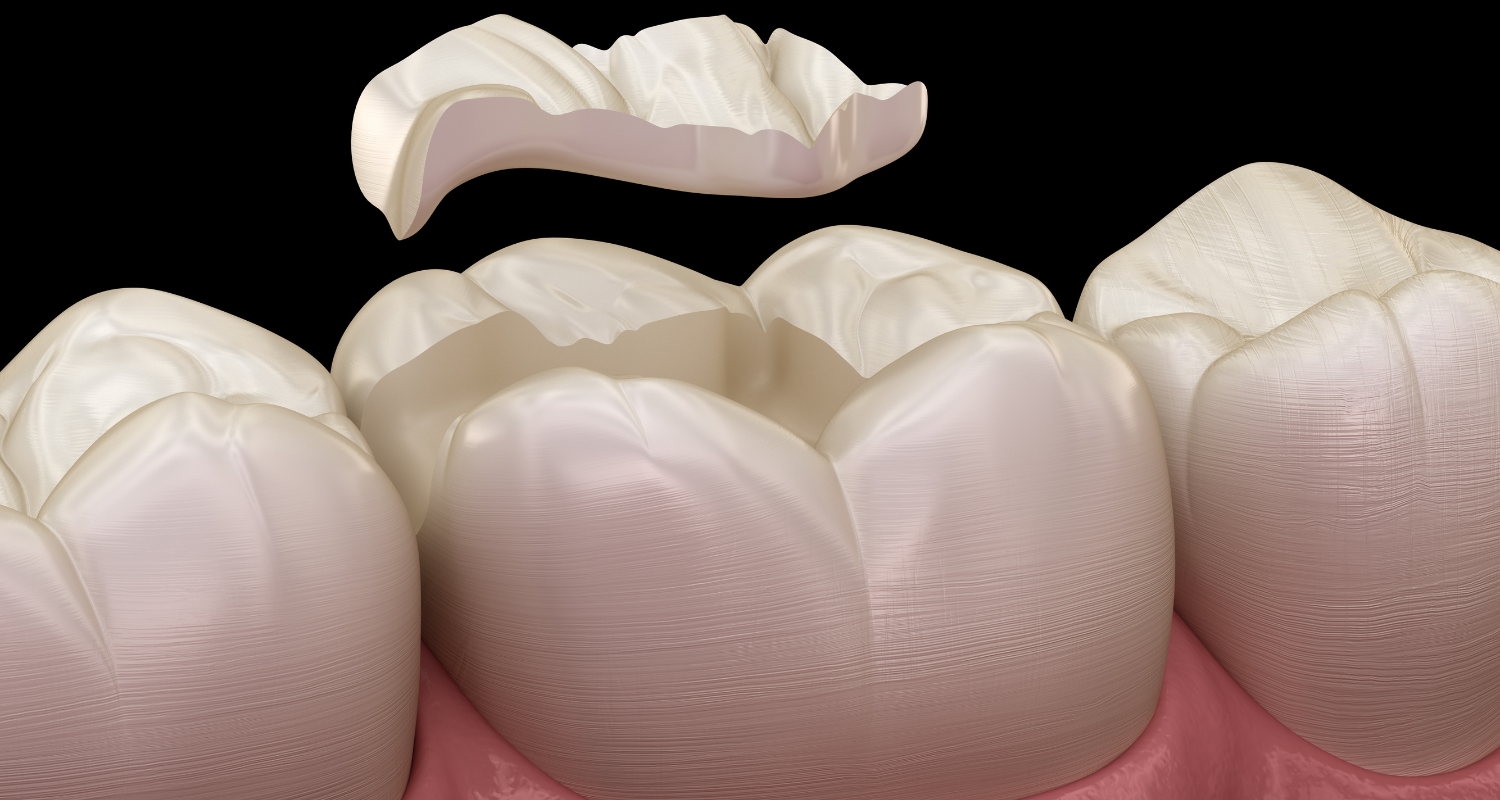
Fillings can wear down or run into problems over time, but an old filling does not automatically need to be swapped out. Plenty of fillings last for decades without any issue at all.
That said, there are warning signs worth watching for. If your filling is acting up, our restorative dentistry team at Dental Faith can take a look and figure out what is actually going on, since similar symptoms can come from the tooth itself rather than the filling. This guide covers the six most common warning signs, along with what tends to cause them.
6 Signs Your Old Filling May Need to Be Replaced
1. You Have New or Persistent Tooth Sensitivity
Sensitivity to hot, cold, or sweet foods that continues or shows up long after your filling was placed is worth paying attention to. It does not automatically mean the filling has failed, but it is a sign worth mentioning at your next visit.
2. Your Tooth Hurts When You Bite or Chew
Pain with pressure can come from a few different places, including a bite that is slightly off, a cracked filling, a cracked tooth, or decay hiding underneath the restoration. Our guide on what patients should know before a dental filling procedure covers what to expect if treatment is needed. An exam is really the only way to pin down the actual cause.
3. The Filling Is Cracked, Chipped, or Loose
Visible cracks, missing pieces, or a filling that feels loose all point to damaged restoration material. Once a filling is compromised like this, it often cannot protect the tooth the way it is supposed to.
4. You Notice Dark Edges or Discoloration
Staining around the edge of a filling can sometimes signal decay forming underneath. Discoloration alone does not prove there is a problem, but it is worth having a dentist investigate further to be sure.
5. The Filling Feels Rough or Jagged
A change in texture, whether from a chip or general wear, can irritate your tongue or cheek. A rough spot is a good reason to have your dentist check the restoration.
6. Food Keeps Getting Trapped Around the Filling
If food repeatedly gets stuck in the same spot, the shape or contact point of the filling may have changed. Repeated trapping is worth evaluating, since it can lead to decay or gum irritation over time. It is also worth reading about how dentists treat cavities so you know what to expect if new decay is found.
Why Do Old Dental Fillings Fail?
A few common factors tend to drive filling problems, including normal wear, fracture or chipping, decay forming again around the edges, and the heavy biting forces we put on our teeth every day. Age plays a role, but it is really the combination of wear and damage that compromises a restoration and leads to symptoms.
Why Does My Filling Hurt Months or Years Later?
Pain that shows up well after a filling was placed does not automatically mean the filling itself needs replacing. Possible causes include decay forming again, a crack in the tooth or filling, a bite that is slightly misaligned, irritation deeper in the tooth, or even gum recession exposing a sensitive area nearby. A dental exam is the best way to sort out which one applies to you.
Can an Old Filling Be Fine After 20, 30, or 40 Years?
Yes, it can be. Filling age alone does not determine whether replacement is necessary. What matters more is the current condition of the filling and the health of the tooth around it. Regular dental exams help catch problems early, often before you notice any symptoms at all.
How Does a Dentist Know if a Filling Needs to Be Replaced?
Your dentist looks at more than just your symptoms. That usually includes a visual exam, checking the filling’s edges, looking for cracks or chips, evaluating your bite, testing sensitivity when needed, and reviewing x-rays if appropriate. Symptoms lead to an evaluation, and the evaluation leads to a diagnosis, not the other way around.
Does Every Damaged Filling Need to Be Replaced?
Not always. Depending on what your dentist finds, treatment might mean simply monitoring the tooth, repairing the existing filling, replacing it, or in some cases moving to a larger restoration like a crown. Our comparison of root canal versus crown treatment explains how dentists decide between the two. If the inner pulp of the tooth is involved, a root canal may be needed instead. The right path depends on the condition of both the filling and the tooth underneath it.
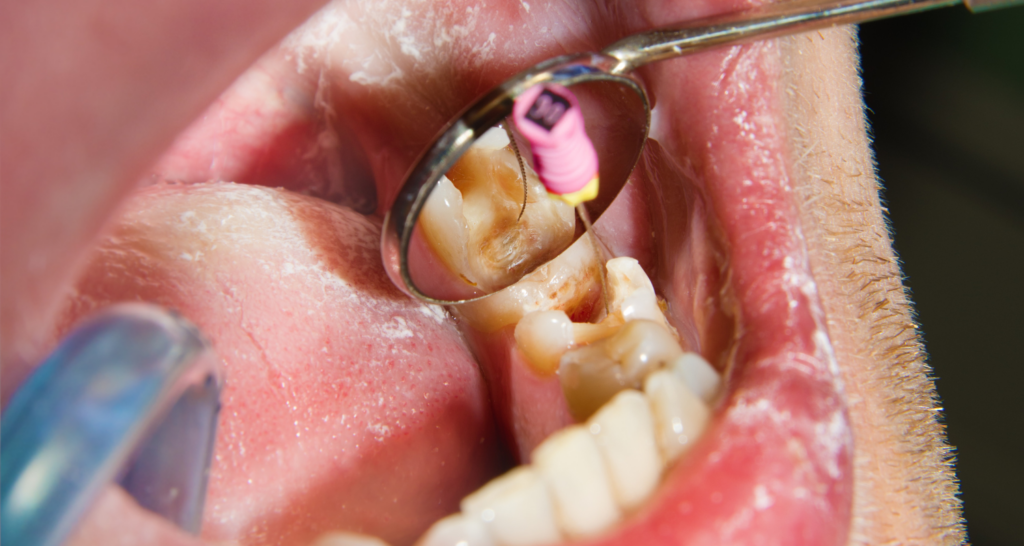
What Happens When a Filling Is Replaced?
Generally, your dentist evaluates the existing restoration, removes the old filling material when replacement is called for, addresses any decay or damaged tooth structure found underneath, and restores the tooth with fresh material. Your bite gets checked and adjusted afterward to make sure everything feels right.
Can Replacing a Filling Damage the Tooth?
Repeated dental work can affect the remaining healthy structure of a tooth over time. This is exactly why dentists avoid replacing a filling just because it is old. The goal is always to preserve as much natural tooth as possible, basing treatment on the actual condition of the filling and tooth rather than age alone.
How Many Times Can a Filling Be Replaced?
There is no universal number here. Each replacement can involve removing a bit of tooth or restoration material, so how much healthy structure remains matters a great deal. At some point, if a filling is no longer the right fit for the tooth, a larger restoration may be considered instead.
What About Old Silver or Amalgam Fillings?
Amalgam, often called silver, fillings have been used for decades and can last a very long time. Like any filling, they can eventually wear, fracture, or develop decay underneath. Age by itself is not a reason to automatically replace an amalgam filling, and the same logic applies whether you are comparing types of dental fillings or wondering how a sealant differs from a filling. What matters is its actual condition during an exam.
How Much Does Filling Replacement Cost?
Cost depends on several factors, including which tooth is involved, the size of the restoration, the filling material used, how much decay or damage is present, and whether a simple replacement is enough or something more involved, like a crown, is needed. Your dental insurance and the specifics of your case also play a role, so an individual estimate from your dentist is the most accurate way to know what to expect.
When Should You See a Nashville Dentist About an Old Filling?
Book an appointment if you notice persistent pain, new sensitivity, pain when biting, a cracked or loose filling, food that keeps getting trapped in the same spot, swelling, or a filling that just feels different than it used to. If the pain is sudden or severe, our emergency dentistry team can see you quickly. Prompt evaluation matters most when symptoms are severe or getting worse.
Frequently Asked Questions
How can I tell if my old filling is bad?
Watch for sensitivity, pain when biting, visible cracks, rough edges, or food constantly trapping in the same spot. An exam confirms what is actually happening.
Should 40 year old fillings be replaced?
Not automatically. Condition matters more than age. Many older fillings are still doing their job just fine.
Can a filling last 30 years?
Yes, some fillings last for decades with no issues at all.
Why does my filling hurt months later?
Possible causes include new decay, a crack, a bite problem, or irritation deeper in the tooth. An exam helps identify the real cause.
Does replacing a filling hurt?
Most patients tolerate the procedure well, especially with local anesthesia used as needed.
Can replacing a filling damage the tooth?
Repeated work can affect healthy tooth structure over time, which is why dentists avoid unnecessary replacements.
How much does filling replacement cost?
It varies based on the tooth, size, material, and whether additional treatment is needed. Your dentist can give you an individual estimate.
If something about your filling feels off, do not wait it out. Schedule an exam with Dental Faith and let us take a proper look before a small issue turns into a bigger one.