Many root canal-treated teeth benefit from a crown, particularly back teeth exposed to stronger chewing forces. The need for a crown depends on the tooth’s location, condition, and remaining structure.

A cracked, broken or heavily filled tooth needs a crown to keep it from splitting. With our in-office crown technology, many crowns are scanned, designed, milled and placed in one visit. That means no goopy impressions, no temporary crown and no second round of numbing.
Dr. M. Paula Fedler gives you the price before she starts, with or without insurance. Se habla español.
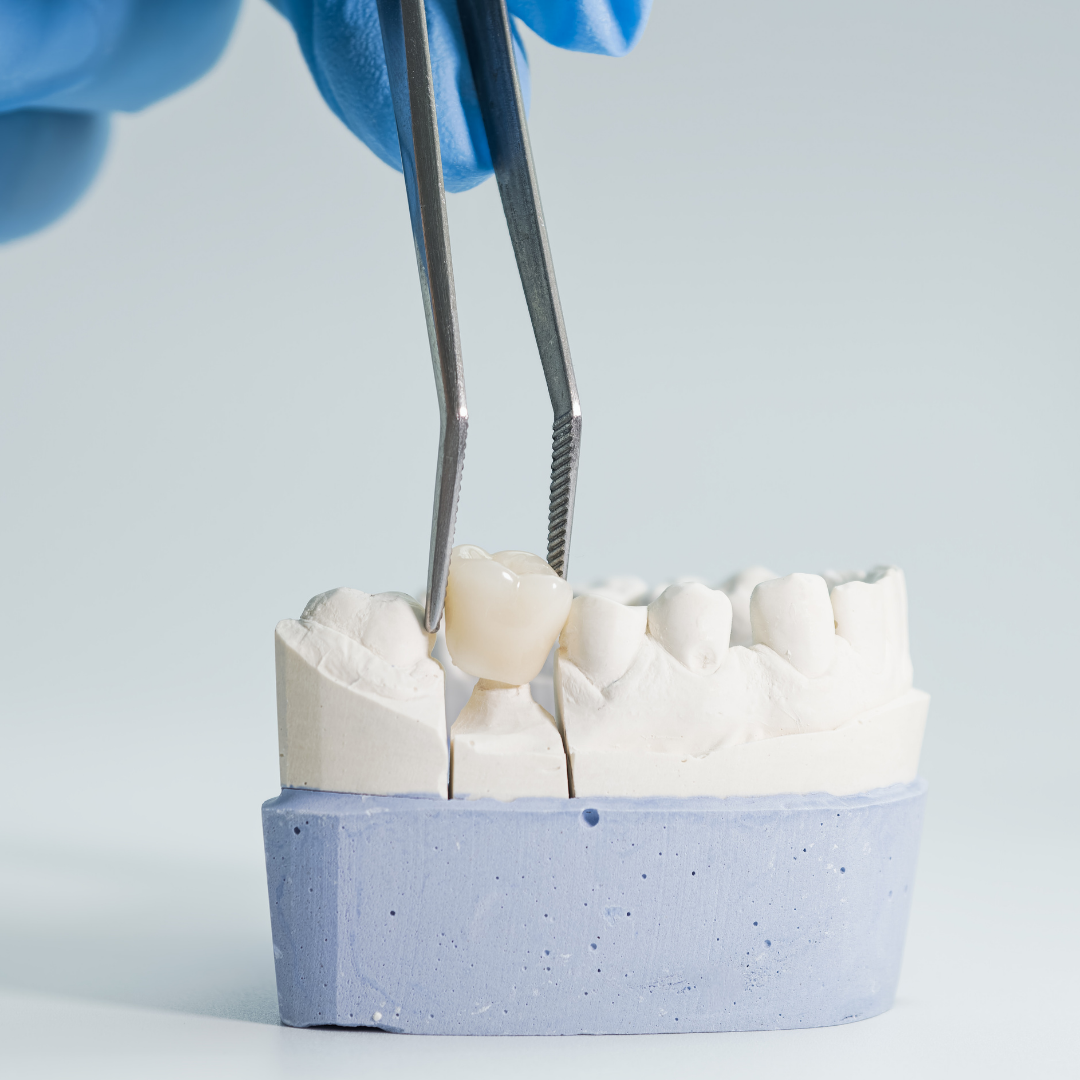
Crowns are available in different materials. Dr. Fedler will recommend an option based on the location of the tooth, your bite, the condition of the tooth, and your treatment needs.
Scanned, designed and milled here, and placed the same day. Best for most back teeth and many front teeth.
The strongest tooth-colored option, for molars, grinders and heavy bites.
The most lifelike, for front teeth where appearance matters most.
Back teeth become brittle after a root canal, and a crown protects them from cracking.
A crown holds a cracked tooth together so the crack can’t spread.
Smiles transformed
Google reviews
English & Spanish
Appointments available
A dental crown covers the visible portion of a tooth. It may be recommended to protect a weakened tooth, repair significant damage, cover a large filling, or restore a tooth after root canal treatment.
Protect a Weakened Tooth
A crown may help support a tooth weakened by decay, a crack, wear, or a large filling. The condition of the tooth will determine whether a crown is an appropriate treatment.
Restore Tooth Function
A properly fitted crown can improve how a damaged tooth functions when biting and chewing. We check the fit and bite during placement.
Improve Tooth Appearance
Tooth-colored crowns can improve the appearance of certain broken, worn, misshapen, or discolored teeth. The shade and shape are selected with the surrounding teeth in mind.
Care and Lifespan
The lifespan of a crown varies based on its material, location, bite, oral hygiene, and habits such as grinding or chewing ice. Crowns may eventually need repair or replacement.
Comfort-Focused Care
Our bilingual team explains the procedure and gives you time to ask questions. Tell us if you feel nervous or experience discomfort during your visit.
Worried about what happens during crown treatment? Here is exactly what to expect at Dental Faith from start to finish.
Dr. Fedler examines the tooth and may take digital X-rays or other images when needed. She will discuss whether a crown or another treatment may be appropriate.
The area is numbed, and the tooth is shaped to make room for the crown. Additional treatment may be needed if the tooth has decay, a large filling, or significant damage.
An impression or digital scan is used to record the tooth and surrounding area. The crown is made to fit the prepared tooth and blend with the surrounding teeth.
Dr. Fedler checks the crown’s fit, contact with nearby teeth, and bite before securing it in place. Small adjustments may be made when needed.
The cost of a dental crown depends on the material selected, the tooth being treated, and any care needed before the crown can be placed.
Crown Material – Porcelain, ceramic, zirconia, and metal crowns may have different fees.
Condition of the Tooth – Treatment for decay, damage, or an existing restoration may affect the total cost of care.
Additional Treatment – A filling, buildup, root canal, or other procedure may be needed before crown placement.
Insurance Benefits – Dental insurance coverage varies by plan. Our team can review the benefit information supplied by your insurance company and discuss your estimated cost.
A dental examination may be needed before Dr. Fedler can recommend a crown and provide an estimate. Contact Dental Faith to schedule an appointment and ask about current payment options.


 Trustindex verifies that the original source of the review is Google.
 Trustindex verifies that the original source of the review is Google.
 Trustindex verifies that the original source of the review is Google.
 Trustindex verifies that the original source of the review is Google.
 Trustindex verifies that the original source of the review is Google.
 Trustindex verifies that the original source of the review is Google.
 Trustindex verifies that the original source of the review is Google.
 Trustindex verifies that the original source of the review is Google.
 Trustindex verifies that the original source of the review is Google.
 Trustindex verifies that the original source of the review is Google.
Our team provides same-day dental crowns in Nashville – so you don’t have to wait! Our staff can give you a brighter, healthy and more comfortable smile that you will be proud of for years to come. Contact us today!
Dental Faith uses digital scanning to record the shape of your tooth and surrounding teeth when appropriate. The scan helps plan the size, shape, fit, and bite of the restoration.
Selected crowns may be made and placed during one visit using our in-office crown system. Other cases may require a laboratory-made crown and a temporary restoration while the final crown is being made.
Before placement, Dr. Fedler checks the crown’s fit, bite, and appearance and makes adjustments when needed.
You can also send us a quick text message at (615) 285-3949.
We look forward to hearing from you soon!
The cost depends on the crown material, the tooth being treated, and whether additional care is needed before placement. Insurance benefits vary by plan. Dental Faith can provide an estimate after examining the tooth and reviewing the recommended treatment.
At Dental Faith we offer porcelain crowns, ceramic crowns, zirconia crowns, metal crowns, and same-day CEREC crowns. We help you pick the right type based on the tooth location, your bite, and your goals.
A crown’s lifespan depends on its material, location, bite, oral hygiene, and daily habits. Regular dental visits can help identify wear, damage, or changes around the crown.
Selected crowns may be completed in one visit when an in-office crown system can be used. Other cases require a laboratory-made crown and a second appointment. Dr. Fedler can explain which process applies to your tooth.
Crown materials differ in strength, appearance, thickness, and how they respond to biting pressure. Dr. Fedler will recommend a material based on the location and condition of the tooth.
A crown may be recommended when a tooth has more damage or lost structure than a filling can reasonably repair. The decision depends on the amount of healthy tooth remaining, the location of the damage, and the forces placed on the tooth.
Yes. A porcelain or ceramic crown fully covers the visible tooth surface. It can correct deep staining that whitening cannot fix and restore a natural, clean appearance.
The area is usually numbed before the tooth is prepared. Patients may experience pressure during treatment or temporary sensitivity afterward. Contact the office if discomfort is severe, continues, or your bite feels uneven.
Many root canal-treated teeth benefit from a crown, particularly back teeth exposed to stronger chewing forces. The need for a crown depends on the tooth’s location, condition, and remaining structure.
Call Dental Faith to schedule an examination for a damaged, cracked, worn, or weakened tooth. Same-day crown treatment may be available for qualifying cases.