
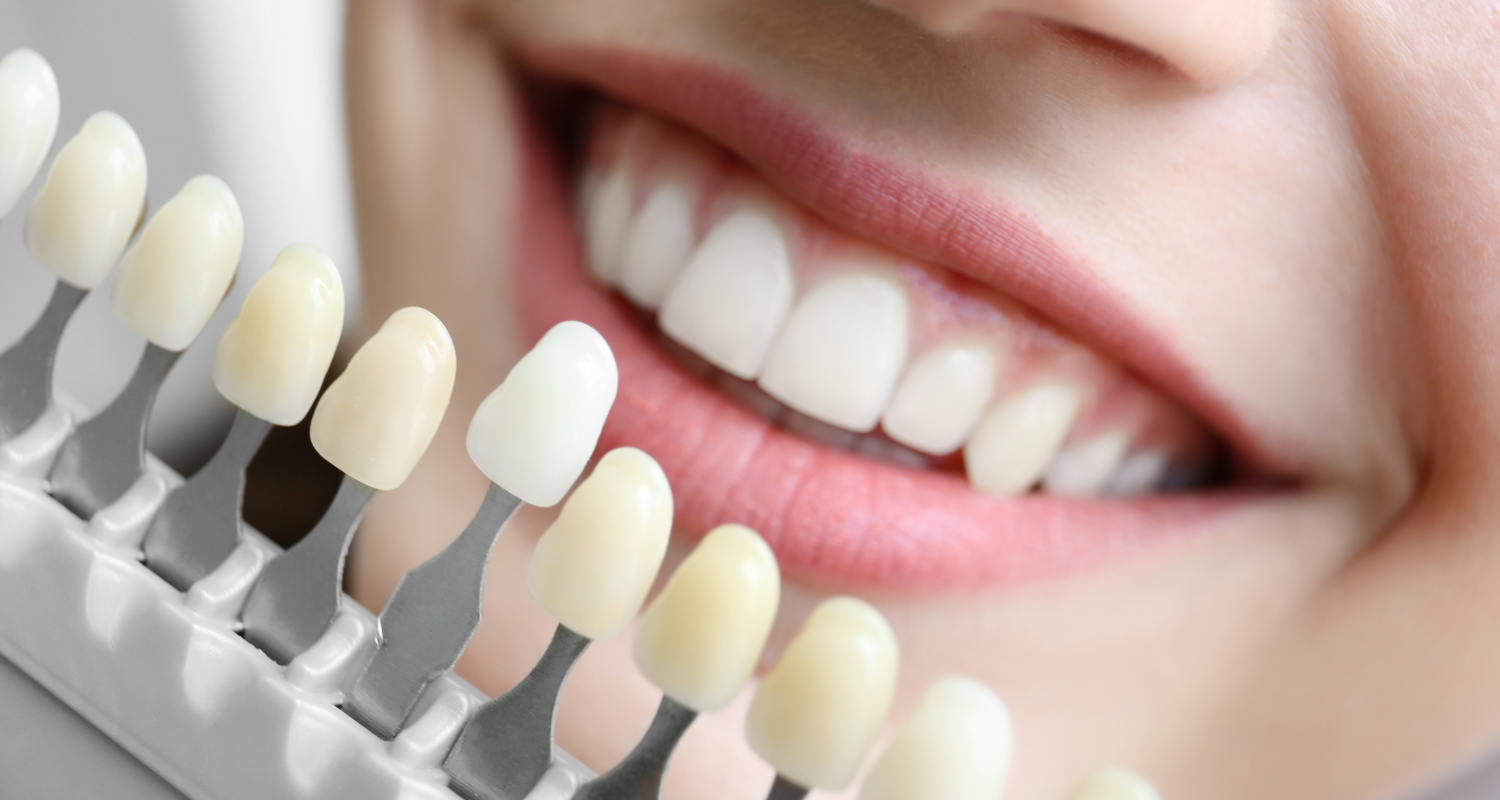
Whitening strips usually beat a hydrogen peroxide rinse when it comes to real, visible whitening. Strips hold a stronger dose of peroxide right against your teeth for a set time. A rinse moves through your mouth fast and does not sit on your teeth nearly as long.
That said, a peroxide rinse still has a place. It costs less and takes seconds to use. It suits people who want a light boost as part of their normal routine, not a full whitening plan.
Before you pick either one, think about your sensitivity level and what caused your stains. Both play a big role in which option makes sense for you.
Quick answer: Whitening strips are generally more effective than a hydrogen peroxide rinse for noticeable tooth whitening. Strips deliver a higher peroxide concentration and hold it against the teeth longer. A formulated peroxide rinse can be cheaper and easier to use, but it usually gives milder results.
Whitening Strips vs. Hydrogen Peroxide Rinse at a Glance
| Factor | Whitening Strips | Hydrogen Peroxide Rinse |
| Whitening effectiveness | Higher | Lower |
| Peroxide concentration | Generally higher | Generally lower |
| Contact time | Longer | Very short |
| Noticeable whitening | Better suited | More limited |
| Surface stains | Effective | May offer limited benefit |
| Cost | Higher | Lower |
| Convenience | Moderate | High |
| Sensitivity potential | Possible | Depends on formula and exposure |
| Best use | Noticeable whitening | Convenience and routine use |
Why Do Whitening Strips Usually Whiten Better?
Three things explain why strips tend to outperform a rinse. It comes down to strength, time, and how the product touches your teeth.
Peroxide concentration
Strips carry a higher dose of peroxide gel than most rinses. That stronger dose gives the whitening agent more power to break down stain molecules in a shorter overall treatment window.
Contact time
A strip stays pressed against your teeth for around fifteen to forty five minutes at a time. That long contact gives the peroxide time to work deep into the enamel. A rinse only touches your teeth for a minute or two before you spit it out.
Direct delivery
A strip holds gel flat against the tooth surface with no gaps. A rinse moves around your whole mouth in liquid form, so it never sits still against any one spot for long. One clinical trial found that a 10% peroxide strip produced a much bigger improvement in tooth color than a 2% peroxide rinse used before brushing, after just seven days.
How Does a Hydrogen Peroxide Rinse Work?
Hydrogen peroxide breaks down into small oxygen molecules once it touches your teeth. Those molecules attack the pigment compounds that cause stains, breaking them into smaller, lighter particles.
A rinse gives this process very little time to act. You swish for around a minute, maybe two, then spit it out. That short window limits how much whitening can happen compared with a strip or gel left in place.
It is worth being clear here. A rinse made for oral care is not the same as plain household hydrogen peroxide from a drugstore shelf. Oral rinses are formulated at a safe strength for the mouth, with the right balance of ingredients. Household peroxide is not built for this use and should not be treated as a stand in.
Why Does Hydrogen Peroxide Concentration Matter for Whitening?
Peroxide strength for teeth whitening products usually falls somewhere between 2% and 14%. Rinses and mouthwash products tend to sit near the low end, often around 1.5% to 3%. Strips usually run higher, often in the 6% to 14% range.
A higher number does not automatically mean a better result. Concentration only tells part of the story. It works together with:
- How long the product stays on your teeth
- How the product is applied
- How often you use it
- The exact formula
- Your own tooth sensitivity
A strong gel used for a few seconds may whiten less than a milder gel left in place for a full session. Think of concentration as one piece of a bigger puzzle, not the whole answer. A dentist checking your teeth with digital x-rays can also confirm your enamel is healthy enough for whitening before you pick a strength.
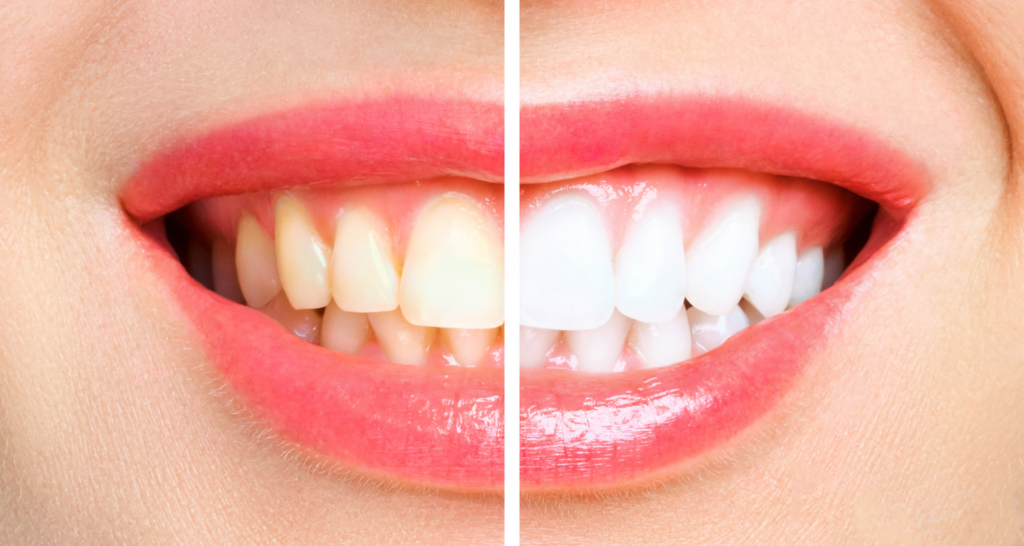
Which Is Safer: Whitening Strips or Hydrogen Peroxide Rinse?
Both methods are considered safe for most healthy adults when used as directed. Each one carries its own set of small risks.
Whitening strips
- Short term tooth sensitivity is common
- Gel can shift and touch the gums, causing irritation
- Strips that do not fit well may leak gel onto soft tissue
- Overuse can raise the risk of sensitivity or gum discomfort
Hydrogen peroxide rinse
- Some people notice mild irritation in the mouth
- Overexposure or the wrong strength can irritate soft tissue
- Products built for oral care carry lower risk than plain household peroxide
- Using household peroxide casually as a rinse is not recommended
If you notice ongoing pain, swelling, or irritation from either method, stop using it and book a dental checkup with your dentist. A routine dental cleaning before you start whitening can also help, since it clears away surface buildup that might affect your results.
Which Is Better for Sensitive Teeth?
Whitening can trigger sensitivity in some people because peroxide passes through the enamel and reaches the nerve underneath. The stronger the product and the longer the contact time, the higher the chance of feeling it.
Use this simple guide to think it through:
Want noticeable whitening? Ask yourself if your teeth are already sensitive.
- If yes, consider a lower strength option and talk with a dentist if the sensitivity feels significant.
- If no, a standard at home whitening product used exactly as directed may work well for you.
No method is universally safe for sensitive teeth. If you deal with regular tooth pain or discomfort, a visit to your Dental Faith dentist before starting any whitening plan is the safest first step. Ongoing sensitivity can also point to a bigger issue, so read up on common toothache causes if the discomfort sticks around after you stop whitening.
Which Is Better for Coffee, Tea, or Smoking Stains?
Not every stain responds to whitening the same way. The type of stain and how deep it sits in your tooth both matter.
Coffee stains
Coffee leaves surface pigment on the enamel. These stains usually respond well to both strips and rinses, though strips tend to clear them faster.
Tea stains
Tea contains tannins, which help stain particles stick to the tooth surface. These stains can be a bit more stubborn than coffee stains but still respond to peroxide based whitening.
Tobacco stains
Tobacco often leaves deep yellow or brown surface stains. These respond best to a stronger product with longer contact time, which usually points toward strips over a rinse.
Food related stains
Dark sauces, berries, and certain sodas can leave mild surface staining. Regular brushing plus occasional whitening treatment usually keeps these under control.
Age related discoloration
As people get older, the enamel thins and the yellow layer underneath, called dentin, becomes more visible. This type of change sits deeper in the tooth and often responds less to surface level whitening.
Surface stains vs. deeper discoloration
Surface stains, called extrinsic stains, sit on top of the enamel and respond well to both strips and rinses. Deeper discoloration, called intrinsic staining, sits inside the tooth structure and often needs a stronger product or professional treatment to see real change. Gum health matters here too, since gingivitis can affect how comfortable whitening feels, so it helps to rule that out first.
How Long Does It Take for Whitening Strips to Work?
Most strip programs run for one to two weeks, with a single daily session lasting fifteen to forty five minutes depending on the product. Some people notice a change within a few days. Others need the full course before seeing a real difference.
Results vary based on:
- The exact formula and peroxide strength
- Your starting tooth color
- The type of stain you are treating
- How closely you follow the instructions
- Your own individual response to whitening
Be careful with any claim that promises an exact number of shades in a set number of days. Results differ a lot from person to person, so treat those numbers as a general range rather than a guarantee.
Are Whitening Strips Worth the Extra Cost?
Strips cost more upfront than a rinse, but the value comes down to what you actually get for that price.
Strips give you a focused treatment with a clear routine, a stronger dose, and results that are usually easy to see. A rinse costs less but blends into your normal oral care instead of acting as a dedicated treatment.
If visible whitening matters to you, strips tend to deliver more for the money. If you already have white enough teeth and just want upkeep, a rinse may give you enough value without the extra spend. For a bigger change, some people compare the cost of strips against other cosmetic dentistry options before deciding which route fits their budget and goals.
Can You Use Hydrogen Peroxide Rinse and Whitening Strips Together?
Combining the two is not something most people need to do. Using both at once raises your total peroxide exposure, which can increase the chance of sensitivity or gum irritation.
If you want to combine products, follow the instructions on each one closely and never use more than directed. Watch how your teeth respond, and stop if you notice ongoing discomfort.
Layering whitening products just to speed things up is not a good shortcut. If you want faster or stronger results, talk with your dentist about professional whitening options instead of stacking over the counter products on your own.
Which One Should You Choose?
Choose whitening strips if:
- You want noticeable, visible whitening
- You are ready to commit to a dedicated treatment
- You do not mind a short daily session over a couple of weeks
Consider a peroxide rinse if:
- Convenience is your top priority
- You want a lower cost option
- You are looking for routine upkeep, not a dramatic change
Consider professional dental advice if:
- You deal with significant tooth sensitivity
- Your discoloration has no clear cause
- You have crowns, veneers, or fillings you expect to whiten
- You are unsure if your stains sit on the surface or deeper in the tooth
Since restorations do not respond to bleaching agents, it helps to know what you are working with before you start. Our guide to dental veneers covers how they hold color over time if that applies to you.
The team at Dental Faith can help you figure out the best path based on your teeth, your goals, and your budget. Not sure a home method is enough? These signs you need a cosmetic dentist can help you decide.
Frequently Asked Questions
Should I use whitening strips or hydrogen peroxide?
Strips usually give better results for visible whitening. A peroxide rinse works better if you want something quick and low cost for routine care.
Are whitening strips more effective than hydrogen peroxide rinses?
Yes, in most cases. Strips carry a higher peroxide concentration and stay on your teeth much longer than a rinse.
Can hydrogen peroxide rinse whiten teeth?
It can offer mild whitening over time, mostly on surface stains. It will not produce the dramatic change that strips often do.
How much hydrogen peroxide is in whitening strips?
Most strips fall somewhere between 6% and 14% peroxide, though this varies by brand and product line.
What percentage of hydrogen peroxide is best for whitening teeth?
There is no single best percentage. The right choice depends on your sensitivity level, the contact time, and how often you plan to use the product.
Can I use 3% hydrogen peroxide on my teeth every day?
Daily use of any peroxide product should follow the label directions. Using a strength or frequency beyond what a product recommends can raise your risk of irritation.
Do dentists recommend hydrogen peroxide rinses?
Some dentists suggest a formulated rinse as part of routine care, especially for people who want mild upkeep. It is rarely recommended as the main way to treat visible staining.
Are whitening strips safe for sensitive teeth?
They can be, especially lower strength options, but people with sensitive teeth should go slowly and watch how their teeth respond.
Can hydrogen peroxide damage enamel?
Used correctly and at an appropriate strength, peroxide is considered safe for enamel. Overuse or high concentrations used too often can raise the risk of sensitivity.
How long does it take for whitening strips to work?
Many people notice a change within one to two weeks of daily use, though this depends on the product and your starting tooth color.
Can a peroxide rinse remove deep stains?
Not usually. A rinse mainly helps with light surface staining. Deeper, intrinsic discoloration typically needs a stronger treatment or professional care.
Are whitening strips worth the extra cost?
For most people who want visible results, yes. They offer a stronger, more focused treatment than a rinse for a moderate price increase.
Which is better for coffee stains or smoking stains?
Strips tend to work faster and more thoroughly on both, since tobacco stains especially respond better to a stronger product with longer contact time.
Can you use hydrogen peroxide rinse and whitening strips together?
You can, but it is not necessary for most people and raises your total peroxide exposure. Stick with one method unless your dentist suggests otherwise.
What is the safest way to whiten teeth at home?
Follow the product directions closely, choose a formula suited to your sensitivity level, and check with your dentist first if you have any dental work or ongoing tooth pain.
Final Thoughts
If your goal is a real, visible change in tooth color, whitening strips are the stronger option. A hydrogen peroxide rinse works well as a light, low cost addition to your routine, not as a full whitening plan. For more local tips on getting started, see our full teeth whitening options guide, and be sure your gums are in good shape first with a quick oral cancer screening and check up.
Not sure which route fits your teeth best? The team at Dental Faith can look at your smile, check for sensitivity or restorations, and point you toward the safest, most effective option for you. Book a visit with Dental Faith today and take the guesswork out of getting a brighter smile.