
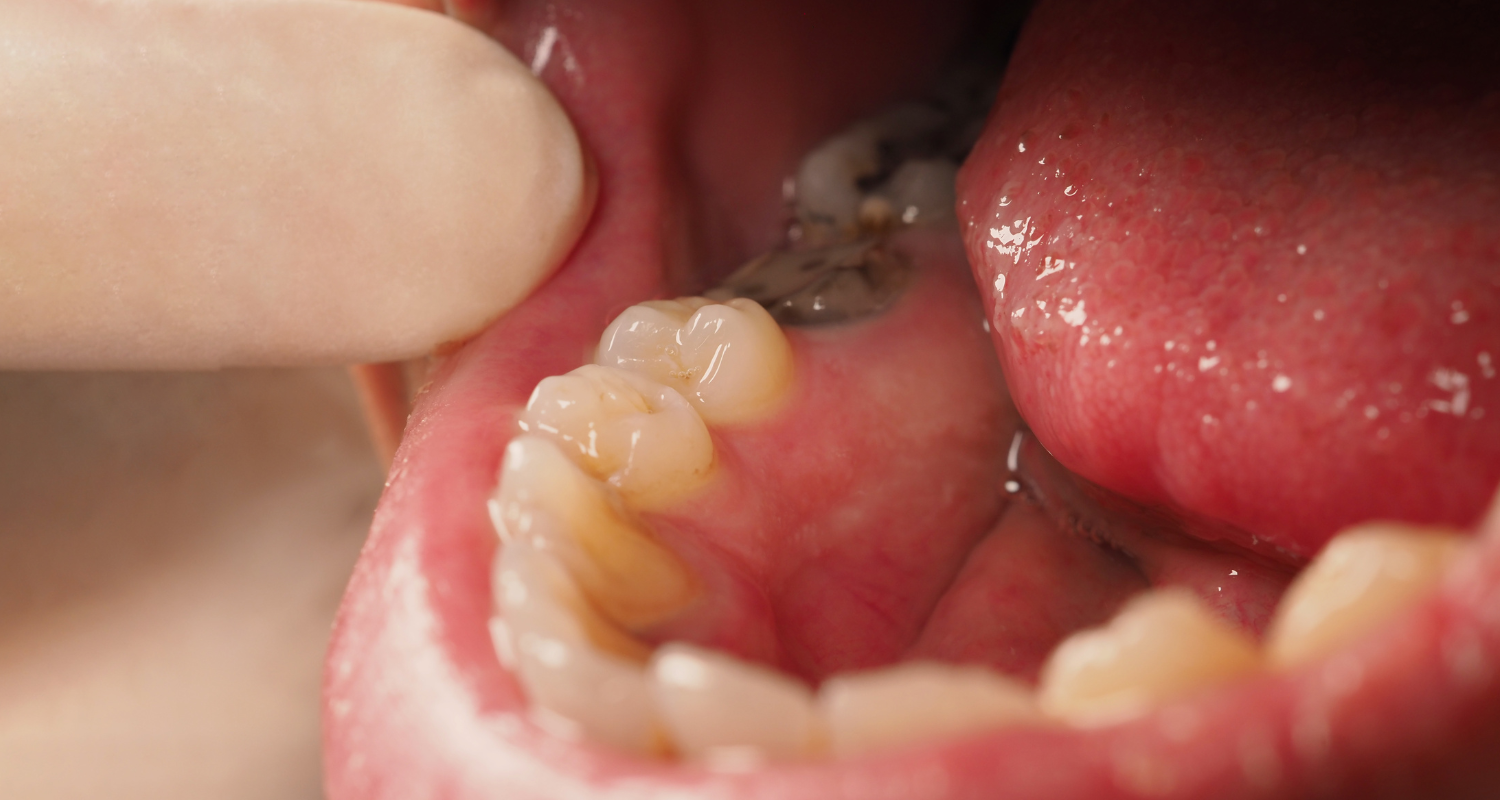
If your teeth look longer than they used to, or a sip of cold water sends a sharp jolt through a tooth, your gums may have pulled back from the root. This is called gum recession, and it leaves the root surface open and unprotected.
Quick answer: If you notice an exposed tooth root, sensitivity, or gum recession, schedule a dental evaluation soon. Treatment depends on the cause and how severe the recession is. It may include desensitizing care, better brushing habits, gum grafting, or a minimally invasive gum recession procedure.
This guide walks through why roots become exposed, what it feels like, and what Nashville patients can do about it. The team at Dental Faith can help you figure out which path fits your case.
What Are Exposed Tooth Roots?
The part of your tooth you see every day, the crown, is covered by hard white enamel. Below the gum line sits the root, and it does not have that same enamel coating. Instead, it is covered by a much softer layer called cementum, and normally your gum tissue wraps around it for protection.
When gum tissue pulls back, or recedes, part of the root is left uncovered. Since the root surface is softer than enamel, it wears down faster and reacts more easily to touch, temperature, and pressure. This is why an exposed root often feels sensitive in ways a healthy tooth crown does not.
What Do Exposed Tooth Roots Look and Feel Like?
Exposed roots can show up through several signs. You might notice one or more of the following.
- Sharp pain from cold food or drinks
- Discomfort from hot foods and beverages
- Sensitivity to sweet foods
- Pain or soreness while brushing
- Teeth that appear longer than before
- Red or swollen gums
- Bleeding gums
- A visible yellowish root surface near the gum line
If any of these sound familiar, it is worth having your gums checked at your next dental cleaning rather than waiting for symptoms to get worse.
What Causes Exposed Tooth Roots?
Several things can cause gum tissue to pull back and expose the root underneath.
Gum Disease
Periodontal disease damages the gum tissue and the bone that holds your teeth in place. Over time, this breakdown lets the gum line drop and expose more of the root. Left alone, gum disease can keep progressing and cause more serious problems. Catching the early signs, like gingivitis, before it advances gives you the best shot at protecting your gum line.
Brushing Too Hard
A stiff toothbrush or heavy hand pressure can wear away gum tissue over months and years. Many people brush hard because they think it cleans better, but gentle pressure is usually all your teeth need.
Teeth Grinding or Clenching
Grinding your teeth at night or clenching your jaw during the day puts extra force on your teeth and gums. Over time, that added stress may contribute to gum recession around certain teeth.
Natural Aging
Gum recession becomes more common as people get older. Years of normal wear and tear can thin the gum tissue, even with good oral care habits.
Naturally Thin Gum Tissue
Some people are simply born with thinner gum tissue. This tissue type is more prone to recession, even without aggressive brushing or gum disease.
Why Are Exposed Tooth Roots So Sensitive?
The root surface lacks the hard enamel layer that protects the crown of your tooth. Underneath that thin cementum coating sits dentin, a layer filled with tiny tubes that lead straight to the nerve inside your tooth.
Cold air, hot drinks, sweet food, and even a toothbrush bristle can trigger those tubes once the root is exposed. That is why an exposed root often reacts strongly to things a healthy tooth would barely notice.
Not every sensitive tooth means an exposed root, though. Cavities, cracked teeth, and other dental issues can cause similar pain. If you are dealing with ongoing toothache or discomfort, a dental exam is the only reliable way to find the real cause. Sometimes bleeding or gum bleeding shows up alongside sensitivity, which is another sign worth mentioning at your appointment.
Can Exposed Tooth Roots Be Reversed?
There is no single answer here. It depends on a few things.
- What caused the recession
- How severe the gum loss is
- How much healthy gum tissue remains
- The condition of the supporting bone
- The position of the affected tooth
- Your overall gum and periodontal health
Mild recession may sometimes be managed with better habits and desensitizing care, though the gum tissue itself usually will not grow back on its own. More significant recession often needs a dental procedure to cover the root and protect it going forward. A dentist or periodontist can look at your specific case and tell you what is realistic.
How Are Exposed Tooth Roots Treated?
Treatment usually starts with the simplest options and moves toward procedures only when needed.
Desensitizing Toothpaste or Agents
A desensitizing toothpaste can calm nerve activity in the exposed dentin and reduce day to day discomfort. Dentists can also apply professional desensitizing agents or protective coatings during an office visit as part of your regular preventive dentistry care. These treatments ease sensitivity, but they do not cover or fix the actual gum recession.
Improved Brushing Technique
Switching to a soft bristled brush and using light, gentle pressure can protect your gums from further wear. Avoid scrubbing motions and let the bristles do the work instead of pressing hard.
Traditional Gum Grafting
Gum grafting involves placing tissue over the exposed root to cover it and rebuild protection. The tissue may come from another part of your mouth or from a donor source depending on the case. Once healed, the graft protects the root from wear and can reduce sensitivity while improving the look of the gum line.
Minimally Invasive Gum Recession Procedures
Newer techniques aim to treat recession with smaller incisions and shorter recovery. Two approaches that come up often in the Nashville area are the pinhole technique and tunnel procedures, both designed to reposition or add tissue over the exposed root through a very small opening rather than a traditional incision.
Pinhole Gum Grafting vs. Traditional Gum Grafting
| Factor | Traditional Gum Graft | Minimally Invasive or Pinhole Approach |
| Goal | Cover exposed root | Cover or reposition existing gum tissue |
| Tissue approach | May use tissue from another area or donor tissue | Often works with existing tissue, depending on technique |
| Surgical approach | More conventional incision | Uses smaller entry points |
| Recovery | Varies by procedure | Varies by technique and individual case |
| Suitability | Depends on recession and gum condition | Depends on recession and tissue characteristics |
Neither option fits every patient. A periodontist can review your gum tissue and recession pattern before recommending one approach over the other.
When Should You See a Dentist for an Exposed Tooth Root?
Book an appointment if you notice any of these signs.
- Ongoing tooth sensitivity
- Gum recession that seems to be getting worse
- Bleeding or swollen gums
- Pain while brushing
- Visible root exposure
- Teeth that look longer than before
- Symptoms that keep progressing
- Any concern about gum disease
A General Dentist
A general dentist is a great starting point. They can check your gums, identify the likely cause, and treat mild cases directly. If your case is more advanced, they will point you toward the right specialist, and may use dental x-rays to get a clearer look at the bone beneath your gums.
A Periodontist
A periodontist focuses on the gums and the bone that supports your teeth. If you are dealing with noticeable gum recession or periodontal disease, a periodontist can offer a deeper evaluation and, if needed, surgical treatment. This is different from an endodontist, who focuses on the inside of the tooth rather than the gums.
How Can You Prevent Further Gum Recession?
While not every case of recession can be avoided, these habits lower your risk.
- Brush gently with a soft bristled toothbrush
- Avoid scrubbing or pressing hard while brushing
- Floss daily to keep gum tissue healthy
- Treat gum disease early if it develops
- Keep up with regular dental cleanings and checkups
- Address teeth grinding or clenching if it applies to you
- Follow any specific advice from your dentist once recession is found
Exposed Tooth Roots in Nashville, TN: What Treatment Should You Consider?
Getting from symptoms to the right treatment usually follows a clear path. You notice sensitivity or changes in your gum line, a dentist examines your mouth, identifies the likely cause, and checks how much recession has occurred. From there, your dentist can recommend anything from a desensitizing agent to a referral for gum grafting.
Nashville patients dealing with exposed roots may be seen by a general dentist first, then referred to a periodontist or gum recession specialist if the case calls for it. If you live in Nashville, Brentwood, or Franklin, the team at Dental Faith can start with a full evaluation and guide you through every step, from a first exam to a referral if you need specialized gum care.
If gum disease is a factor here, periodontal therapy can treat the underlying infection before recession gets worse. And if your dentist wants a closer look at how scaling differs from a regular cleaning, our guide on scaling versus cleaning explains the difference.
Frequently Asked Questions
What should I do if my tooth roots are exposed?
Schedule a dental exam. A dentist can check the cause and severity, then recommend the right next step, whether that means desensitizing care, better brushing habits, or a referral for gum treatment.
Can exposed tooth roots be reversed?
It depends on the cause and how severe the recession is. Some cases can be managed with care and desensitizing treatment, while others need a graft or minimally invasive procedure to cover the root.
Why are my tooth roots exposed?
Gum recession is the most common reason. It can result from gum disease, aggressive brushing, teeth grinding, natural aging, or naturally thin gum tissue.
What causes exposed tooth roots?
The main causes include periodontal disease, hard brushing, clenching or grinding, aging, and thin gum tissue that some people are simply born with.
Are exposed tooth roots painful?
They can be. Since the root lacks enamel, it often reacts strongly to cold, heat, sweets, and even light touch.
Why do exposed tooth roots hurt when I drink something cold?
The root surface has tiny tubes that lead to the nerve inside the tooth. Cold, hot, or sweet triggers can reach the nerve faster once the protective gum tissue is gone.
Can gum recession expose tooth roots?
Yes, this is the main reason roots become exposed. As gum tissue pulls back, it uncovers the root surface underneath.
Can exposed tooth roots grow back?
Gum tissue generally does not grow back fully on its own once it recedes. Treatment options like grafting can help cover the root again.
How are exposed tooth roots treated?
Treatment ranges from desensitizing toothpaste and gentle brushing habits to gum grafting or minimally invasive recession procedures, depending on the cause and severity.
Can gum grafting cover exposed tooth roots?
Yes. Gum grafting places tissue over the exposed root to protect it and can also improve how the gum line looks.
What is pinhole gum grafting?
It is a minimally invasive technique that repositions or adds tissue over an exposed root through a very small opening in the gum, rather than a traditional incision.
Is gum grafting necessary for exposed tooth roots?
Not always. Mild cases may be managed with desensitizing care and better habits. More significant recession often benefits from grafting or a similar procedure.
Can brushing too hard cause exposed tooth roots?
Yes. Aggressive brushing over time can wear away gum tissue and contribute to recession, especially when paired with a stiff bristled brush.
Should I see a dentist or periodontist for gum recession?
Start with a general dentist for an initial evaluation. If the recession is significant or linked to periodontal disease, they will likely refer you to a periodontist.
How can I prevent exposed tooth roots from getting worse?
Brush gently with a soft brush, keep up with regular cleanings, treat gum disease early, and address teeth grinding if it applies to you.
Ready to Talk to Someone About Your Gums?
Noticing exposed roots or growing tooth sensitivity is not something to ignore. The sooner you find the cause, the more options you usually have.
Schedule a consultation with Dental Faith in Nashville, TN, to talk through your symptoms and find out whether gum recession, periodontal disease, or your brushing habits are behind it. Book your visit today and take the first step toward healthier gums.