
Budgeting for dental care without insurance takes more than just saving a random amount and hoping it covers whatever comes up. A better approach follows five simple steps: estimate your costs, prioritize what matters most, look for ways to reduce the bill, compare payment options, and build ongoing savings.
Our team at Dental Faith works with plenty of patients who do not have dental insurance, and we know cost is often the biggest obstacle to getting care. This guide walks through a practical way to plan for it, whether you are dealing with routine preventive care or something more urgent.
How Much Does Dental Work Cost Without Insurance?
There is no single price tag for a dental visit. Costs shift based on your location, the provider, how complex the treatment is, the materials used, imaging needs, and whether sedation is involved.
| Procedure | What Can Affect Cost |
| Dental exam | Type of exam, complexity |
| X-rays | Number and type of images |
| Cleaning | Type of cleaning needed |
| Filling | Material, size, tooth |
| Extraction | Complexity, sedation |
| Root canal | Tooth and complexity |
| Crown | Material, laboratory fees |
Treat any numbers you see online as general planning estimates rather than guaranteed prices. Services like dental cleanings, fillings, and root canals all carry their own cost factors, so your dentist can give you an accurate number once they have actually looked at your teeth.
How to Create a Dental Budget Without Insurance
Building a workable budget comes down to a few clear steps.
- Get a dental examination to find out what treatment you actually need.
- Request an itemized treatment plan so you can see each procedure and its individual cost.
- Separate urgent and planned treatment so you know what needs attention now versus later.
- Estimate your annual dental expenses, including preventive visits and any known treatment.
- Set a monthly savings target by dividing your expected annual cost across the months ahead.
- Create an emergency dental fund to cover anything unexpected that comes up.
How Much Should You Save for Dental Care Each Month?
A simple formula helps here: take your expected annual dental costs and divide by 12. That gives you a rough monthly target.
For someone sticking to preventive care only, that might mean saving for two cleanings and exams a year. Someone expecting a filling plus routine visits will need a bit more set aside. A person anticipating major treatment, like a crown or root canal, should plan for a noticeably higher monthly amount. Actual costs always depend on your specific needs and local pricing, so treat these as starting points rather than guarantees.
What If You Need Dental Work but Can’t Afford It?
If you are dealing with a real financial squeeze but still need care, a few steps can help.
- Ask for an itemized treatment estimate so you know exactly what you are paying for
- Ask which parts of the treatment are urgent versus which can wait
- Ask about self pay discounts
- Ask about in office payment plans
- Compare dental savings plans
- Look into dental school clinics
- Search for community clinics and FQHCs near you
- Explore legitimate financing options
- Ask whether treatment can be safely completed in stages
Avoid putting off urgent treatment purely to save money. A problem that gets worse often costs more to fix later, and our emergency dentistry team can help you weigh urgent needs like an extraction against what can reasonably wait.
How to Reduce Dental Costs Without Insurance
A few practical habits can lower your overall bill without cutting corners on care. Ask about cash or self pay discounts upfront, compare treatment estimates when it makes sense, and ask your dentist about lower cost alternatives. Dental savings plans, in house membership plans, and dental school clinics are also worth checking. Staying consistent with preventive care helps avoid bigger problems later, and phased treatment can spread out cost when it is clinically appropriate.
Dental Savings Plans vs. Dental Insurance
| Feature | Dental Savings Plan | Dental Insurance |
| Monthly or annual fee | Usually required | Usually required |
| Discounts | Negotiated provider discounts | Coverage based on plan |
| Deductible | Depends on plan | Often applies |
| Annual maximum | Plan specific | Often applies |
| Provider network | Participating providers | Network based |
| Immediate discounts | May be available | Depends on plan |
| Is it insurance? | No | Yes |
A dental savings plan is not the same thing as insurance, and neither option is automatically cheaper than the other. It depends on your situation.
Dental Membership Plans for Uninsured Patients
Some dental practices offer their own in house membership plans. These typically include a membership fee, a set of included preventive services, and discounts on additional treatment. Eligibility, waiting periods, and what is included all vary by practice, so ask directly what a plan covers before signing up. These plans are not insurance, even though they can help with cost.
Dental Financing: What to Check Before You Sign
Before agreeing to any financing option, look closely at the APR, the length of any promotional period, your monthly payment, and the total amount you will repay over time. Also check for fees, minimum payment requirements, and what happens once a promotional period ends. A lower monthly payment does not always mean a lower total cost, so read the fine print carefully.
Where Can You Find Free or Low Cost Dental Care?
A few options exist beyond a traditional dental office. Dental schools sometimes offer reduced fee treatment under professional supervision. Community clinics and FQHCs, or federally qualified health centers, may provide lower cost services with income based fees. Free dental clinics exist in some areas, and some practices offer sliding scale care based on income. Availability and eligibility differ by where you live, so it is worth researching what exists near you.
How to Prioritize Dental Treatment When Money Is Tight
A simple framework can help you sort through what needs attention first.
- Urgent: severe pain, swelling, infection, or trauma that needs prompt assessment, which our guide on what to do in a dental emergency covers in more detail
- Soon: problems likely to get worse if you wait too long
- Planned: routine exams, cleanings, and other non urgent care
Do not assume a potentially serious problem is safe to put off just because of cost. Getting it evaluated is worth the visit, even if treatment gets phased over time.
What Should You Ask Your Dentist About the Cost?
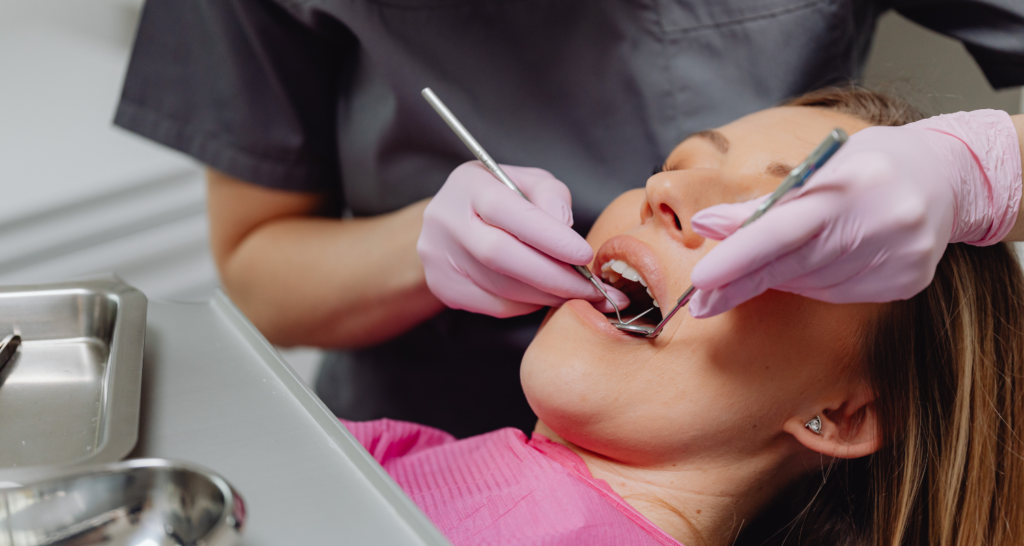
Before starting treatment, ask what you actually need, which parts are urgent, and what the total cost will be. Confirm whether the exam and x-rays are included, and ask about other possible costs, lower cost alternatives, self pay discounts, membership plans, payment plans, and whether treatment can be done in stages.
Should You Delay Dental Treatment to Save Money?
Planned, non urgent care can often wait a bit while you save. Pain, swelling, infection, trauma, or anything that feels concerning should be professionally assessed at our emergency dentistry office rather than ignored because of cost. This guide cannot tell you exactly how long any individual case can safely wait, so when in doubt, get it checked.
How to Budget for Future Dental Expenses
A simple long term formula ties everything together: preventive care plus expected treatment plus an emergency reserve, minus any available discounts, gives you an estimated annual dental budget. Divide that number by 12 for your monthly savings target. This is a planning framework, not a guaranteed cost.
Frequently Asked Questions
How can I afford dental work with no insurance?
Start with an itemized estimate, ask about discounts and payment plans, and compare low cost providers in your area.
What if I need dental work but have no money right now?
Ask about self pay discounts, payment plans, dental schools, and community clinics, and ask your dentist whether treatment can be staged.
How much does a dentist visit cost without insurance?
It varies by provider and location. Ask for a full estimate before your appointment when possible.
How can I get low cost dental care?
Dental schools, community clinics, and FQHCs are worth researching for reduced fee treatment.
Should I delay dental treatment if I can’t afford it?
Planned care can often wait, but pain, swelling, or trauma should still be evaluated promptly.
Ready to talk through your options? Reach out to Dental Faith and we can walk through an estimate and payment options together. Not sure which practice is the right fit? Our guide on finding the best dentist near Nashville can help, and families often appreciate why so many choose us as their family dentist in Nashville.