
What Patients Should Know Before a Dental Filling Procedure
Finding out you have a cavity can feel stressful. The word “filling” makes some people nervous right away. But here is the truth: a dental filling is one of the most common procedures in dentistry. It is quick, safe, and much more comfortable than most people expect. This guide walks you through everything you need to know before your appointment at Dental Faith in Nashville.
What Is a Dental Filling?
A dental filling repairs a tooth damaged by decay or a minor crack. The dentist removes the damaged part and fills the space with a strong material. This stops the decay from spreading and restores the tooth’s shape and function.
Fillings are part of restorative dentistry and are one of the best ways to save a natural tooth early.
Do You Really Need a Dental Filling?
Not every toothache means you need a filling. But certain signs point to a cavity that needs attention.
Watch for these:
- Tooth sensitivity to hot, cold, or sweet foods
- A visible hole or dark spot on a tooth
- Pain when biting down
- A tooth that feels rough when your tongue runs over it
If you ignore these signs, the decay gets deeper. Once it reaches the inner part of the tooth, a filling is no longer enough. At that point, you may need a root canal instead. Treating a cavity early saves time, money, and discomfort.
How to Prepare Before Your Appointment
There is not much you need to do before a filling. Here are a few simple tips:
- Eat a light meal beforehand. You will be numb after the procedure, so eating first is easier.
- Brush your teeth as normal. No special prep is needed.
- Tell Dr. Fedler about any medications you take. Some can affect anesthesia or healing.
- Mention any dental anxiety. Dental Faith is known for gentle, patient-centered care. The team will make sure you feel comfortable.
- Book a morning appointment if possible. This way you are not anxious about it all day.
What Happens During a Dental Filling?
Here is exactly what to expect, step by step.
1. Examination and Diagnosis
Dr. Fedler will examine the tooth and take digital X-rays if needed. This shows how deep the decay is and what type of filling works best.
2. Numbing the Area
A numbing gel is applied to the gum first. Then a small injection of local anesthesia is given. Most patients feel only slight pressure, not pain. If you have strong dental anxiety, sedation options are available. Just ask the team ahead of time.
3. Removing the Decay
The damaged part of the tooth is removed using a small instrument or drill. A dental assistant will rinse and suction out the area as the work is done. A gel is then applied to clean the tooth and prep it for the filling.
4. Placing the Filling
An adhesive is placed on the tooth first. Then the filling material is added in layers. A special light hardens each layer quickly. This process is repeated until the tooth is fully rebuilt.
5. Shaping and Polishing
The dentist smooths any rough edges and polishes the surface. You will bite down on carbon paper so Dr. Fedler can check that the filling lines up with your other teeth. If it feels off, it gets adjusted right away.
The whole process usually takes less than an hour for a single tooth.
Does Getting a Filling Hurt?
This is the most common question patients ask. The honest answer is no, it should not hurt.
The anesthesia fully numbs the area before any work begins. You may feel some pressure during the procedure, but not pain. If you feel discomfort at any point, let Dr. Fedler know right away. More numbing medication can be given.
After the procedure, some mild soreness is normal for a few hours. Over-the-counter pain relievers handle this easily. Sensitivity to hot and cold can last one to two weeks and then fades on its own.
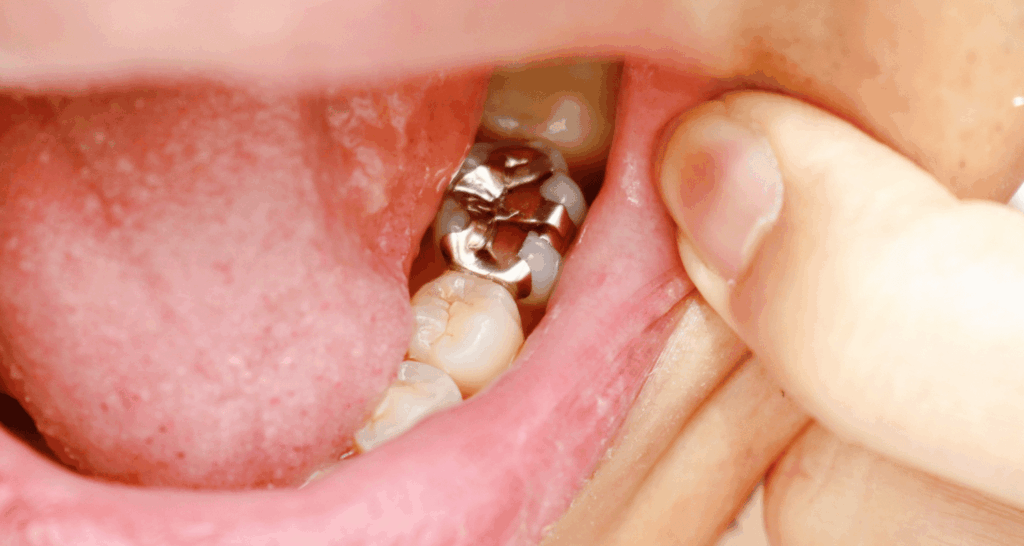
Types of Dental Fillings
Dental Faith uses tooth-colored composite fillings. These match the natural shade of your teeth and look just like real enamel. Other filling types include:
- Composite resin (tooth-colored, most popular)
- Amalgam (silver-colored, very durable)
- Glass ionomer (tooth-colored, good for areas near the gum line)
Dr. Fedler will recommend the best option based on where the cavity is and how large it is.
What to Expect After the Procedure
You can go back to your normal day right after the appointment. Keep these things in mind:
- Your mouth will feel numb for a few hours. Wait until the numbness wears off before eating a full meal.
- Avoid very hard or sticky foods for the first day or two.
- Mild sensitivity is normal for up to two weeks.
- Brush and floss as usual. No special routine is needed.
Filling vs. Other Treatments
| Condition | Best Treatment |
| Small to medium cavity | Dental filling |
| Large cavity or cracked tooth | Dental crown |
| Decay reaching the tooth pulp | Root canal |
A filling works best when decay is caught early. The bigger the damage, the more involved the treatment. Regular preventive dental visits help catch problems before they reach that point.
When Should You Call Your Dentist?
Most fillings heal without any problems. But call Dental Faith right away if you notice:
- Severe pain that does not go away after a few days
- The filling feels loose or has broken off
- Swelling in your face or jaw
- Signs of infection like fever or bad taste in your mouth
These are not common, but they need quick attention.
If you are experiencing tooth pain or sensitivity, do not wait. Schedule a consultation at Dental Faith today. Call or text (615) 285-3949 or visit dentalfaith.com. The office is at 390 Harding Place, Suite 101, Nashville, TN 37211.
Frequently Asked Questions
Does getting a dental filling hurt?
No. The area is fully numbed before any work begins. You may feel pressure but not pain.
How long does a dental filling take?
Most single fillings take 30 to 60 minutes from start to finish.
Can I eat before a dental filling?
Yes. Eating a light meal before your appointment is actually a good idea.
How long does numbness last after a filling?
Numbness typically wears off within two to four hours after the procedure.
What should I avoid after a filling?
Avoid hard, sticky, or chewy foods for the first day. Wait until the numbness is gone before eating.
How long do dental fillings last?
Composite fillings typically last 7 to 10 years. With good care, they can last longer.
When is it too late for a filling?
When decay reaches the inner pulp of the tooth, a filling will not fix it. A root canal becomes necessary at that point.
Can fillings fall out or break?
It is not common, but it can happen. If your filling feels loose or breaks, contact Dental Faith right away for a repair.