
Root Canal Retreatment: Causes, Procedure, Success Rate & Cost
You had a root canal done. The tooth was supposed to be fixed. But now it hurts again. Or maybe it never fully stopped hurting. Either way, something is wrong.
Root canal retreatment might be the answer. This article explains what it is, why it happens, and what to expect if you need it.
What Is Root Canal Retreatment?
Root canal retreatment is a repeat procedure on a tooth that was treated before. The dentist goes back into the tooth, removes the old filling material, cleans the canals again, and reseals everything.
It sounds like a lot, but it is actually a common procedure. Teeth are complicated. Sometimes the first treatment does not fully solve the problem. A second treatment gives the tooth another chance.
Think of it like this: the goal of any root canal is to remove infection and save the tooth. Retreatment does the same thing, just for a tooth that has been treated before.
Why Does a Root Canal Fail?
A root canal can fail for several reasons. It does not mean the dentist did something wrong. Sometimes the tooth itself makes treatment harder.
Common reasons include:
Missed canals. Some teeth have extra canals that are hard to find. If one is missed, bacteria can stay inside and cause infection later.
Complex anatomy. Curved or narrow canals are harder to clean fully.
Cracked tooth. A crack lets bacteria back in. This is one of the most common reasons retreatment is needed. You can read more about how a cracked tooth can lead to bigger problems.
Delayed crown placement. After a root canal, a crown protects the tooth. Waiting too long leaves the tooth open to reinfection.
New decay. Cavities can form around the treated area over time. Bacteria get in and the infection starts again.
Broken seal. Filling material can break down. When that happens, bacteria find a way back in.
Any of these can lead to a tooth infection after root canal treatment. Some people notice problems within months. Others have no issues for years and then suddenly develop pain.
Signs You Need Root Canal Retreatment
Your body usually gives you warning signs. Do not ignore them.
Watch for these:
Ongoing pain in a tooth that had a root canal. Some soreness right after treatment is normal. But pain that lasts weeks or comes back later is not.
Swelling around the tooth or in your gum. This is a sign that infection is still present.
A small pimple on your gum near the treated tooth. This is called a sinus tract. It means infection is draining from inside the tooth.
The tooth feels darker than your other teeth. This can happen when the tooth is not healthy on the inside.
Pain when biting down on that tooth.
Some people need root canal retreatment after 10 years or more. The original treatment held up for a long time, but eventually the seal broke or new decay formed. It happens more than you might think.
If you have any of these signs, contact a dentist soon. Waiting only lets the infection spread.
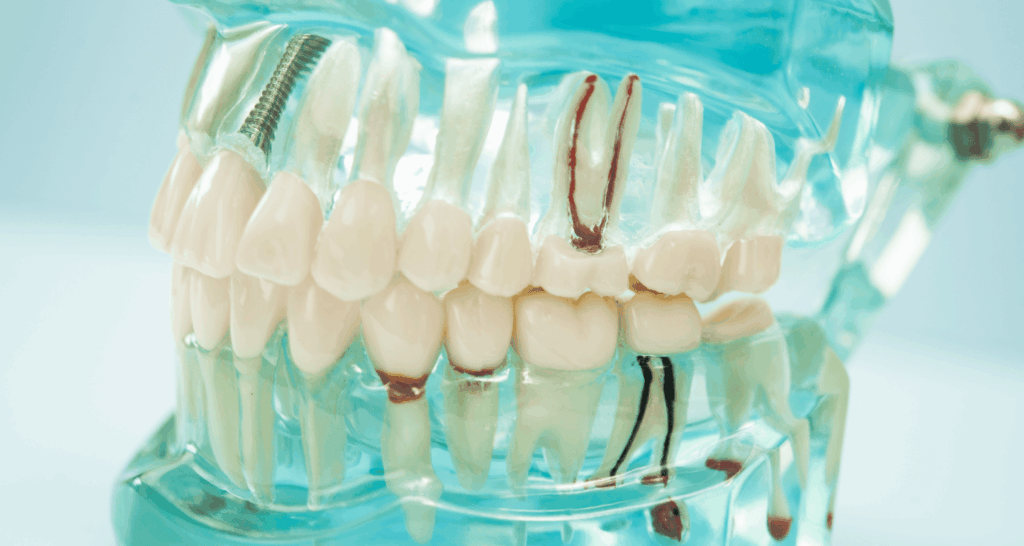
What Happens During the Retreatment Procedure?
The endodontic retreatment procedure follows a clear set of steps. Here is what to expect:
Step 1: Remove the crown or filling. The dentist opens the tooth by taking off whatever is covering it. If you have a crown, it may need to be removed to get inside.
Step 2: Take out the old filling material. The material from the first root canal is removed. This gives the dentist access to the canals again.
Step 3: Clean and inspect the canals. The dentist looks for missed canals, cracks, or other issues. Everything is cleaned and disinfected.
Step 4: Refill and seal. The canals are filled again with new material and sealed tightly.
Step 5: Place a new crown. A dental crown is placed to protect the tooth and restore normal function.
Root canal retreatment through a crown is possible in some cases. The dentist drills through the crown to access the tooth. But often the crown needs to come off for a full cleaning.
The whole process usually takes one or two visits depending on how complex the tooth is.
Is Root Canal Retreatment Painful?
This is the question most people ask first. And it is fair. Nobody wants to go through a painful dental procedure.
The short answer is no, it should not be painful. Local anesthesia is used to numb the area. You will feel pressure but not pain during the procedure.
Modern techniques have made this process much more comfortable than people expect. Most patients say it feels similar to getting a regular filling.
After the procedure, you may have some soreness for a few days. This is normal and easy to manage with over the counter pain relievers. The discomfort is usually much less than the pain from an untreated infection.
Root canal retreatment pain is manageable. The infection itself causes far more pain than the treatment does.
Root Canal Retreatment Success Rate
The root canal retreatment success rate is generally between 70 and 85 percent. That means most teeth that go through retreatment end up healthy and fully functional.
Several factors affect the outcome. How severe the infection is matters a lot. So does how much healthy tooth structure is left. The skill and experience of the provider also plays a role.
Seeing a specialist called an endodontist can improve your odds. Endodontists focus only on root canal procedures. They have advanced training and tools for complex cases.
Results also depend on how quickly you get treatment. Waiting too long can lower the chances of success and make saving the tooth harder.
Retreatment vs Extraction: Which Is Better?
When a root canal fails, many people wonder if they should just pull the tooth. Extraction seems simpler and sometimes cheaper upfront.
But saving your natural tooth is almost always the better choice when it is possible.
Here is why. Your natural teeth help you chew, speak, and keep your jawbone strong. When a tooth is removed, the bone underneath can start to shrink over time. Nearby teeth may shift into the gap.
Replacing a missing tooth with a dental implant or dental bridge costs more in the long run than retreatment. And nothing works quite as well as your real tooth.
Retreatment is usually the better option unless the tooth is too damaged to save. Your dentist can tell you which situation applies to you.
Apicoectomy vs Retreatment
Sometimes retreatment is not enough. When infection keeps coming back or the canals cannot be cleaned through the crown, a small surgery called an apicoectomy may be needed.
An apicoectomy is a minor surgical procedure. The dentist makes a small cut in the gum and removes the tip of the tooth root where infection often sits. The area is then sealed.
Retreatment is preferred first because it is less invasive. Surgery is only recommended when retreatment is not likely to work or has already been tried without success.
How Many Times Can a Root Canal Be Retreated?
There is no fixed limit, but most teeth can only be retreated once or twice. After that, the tooth structure may be too weakened to support further treatment.
It depends on how much healthy structure remains, how severe the infection is, and whether there are cracks or other complications.
Your dentist will evaluate the tooth with dental x-rays and a clinical exam before recommending anything. If retreatment is not realistic, other options like extraction and implant placement will be discussed.
Root Canal Retreatment Cost
The cost of root canal retreatment varies. It is typically higher than a first root canal because the procedure is more complex.
Factors that affect the cost include which tooth needs treatment. Back teeth with more roots cost more than front teeth. Removing an existing crown adds to the total. Seeing a specialist instead of a general dentist also increases the fee.
Dental insurance often covers part of retreatment costs, though coverage varies by plan. Ask your insurance provider before scheduling so you know what to expect.
Many dental offices offer payment plans or financing to help spread out the cost. Do not let cost concerns stop you from getting care. An untreated infected tooth can lead to much bigger and more expensive problems.
Ready to Get Your Tooth Checked?
If you have pain in a tooth that already had a root canal, do not wait. The sooner you get checked, the better your chances of saving the tooth.
Our team is here to help. We offer same day consultations and will walk you through every step of the process. Contact us today to schedule your visit.
Frequently Asked Questions
What is root canal retreatment?
It is a second procedure on a tooth that had a root canal before. The tooth is reopened, cleaned, and resealed to treat a new or ongoing infection.
Why does a root canal fail?
Common reasons include missed canals, cracks, delayed crown placement, new decay, or a broken seal over time.
What are the signs you need a repeat root canal?
Ongoing pain, swelling, a pimple on the gum, tooth discoloration, or pain when biting are all signs to watch for.
Is root canal retreatment painful?
No. Local anesthesia is used. You may have mild soreness after, but the procedure itself is not painful.
What is the success rate of root canal retreatment?
Around 70 to 85 percent of retreated teeth end up healthy and functional long term.
Is retreatment better than extraction?
In most cases yes. Saving your natural tooth is better for your jaw, your bite, and your long term oral health.