
Root Canal vs Crown: Which One Do You Really Need?
If you’re dealing with tooth pain or damage, you’ve probably heard about root canals and crowns. Maybe your dentist mentioned one or both. Now you’re wondering which treatment you actually need.
Here’s the truth: these two procedures do different jobs. Sometimes you need just one. Sometimes you need both. The right choice depends on what’s wrong with your tooth.
Let’s break down the facts so you can understand what each treatment does and when you might need it.
What Is a Root Canal?
A root canal treats infection or damage inside your tooth. When decay or injury reaches the inner part of your tooth (called the pulp), bacteria can cause serious pain and infection.
During a root canal, your dentist removes the infected pulp, cleans out the inside of the tooth, and dental fills it with a special material. This stops the infection and saves your natural tooth from extraction.
Signs you might need a root canal:
- Sharp pain when biting down
- Sensitivity to hot or cold that lingers
- Swelling in your gums
- A tooth that looks darker than others
- Tenderness when you touch the area
Benefits of root canals:
- Saves your natural tooth
- Stops infection from spreading
- Relieves pain
- Lets you keep chewing normally
Downsides to consider:
- Can be costly without insurance
- May need a crown afterward for protection
- Some discomfort during recovery
After a root canal, your tooth may be weaker. That’s why dentists often recommend adding a crown on top, especially for back teeth that do heavy chewing.
Want to know more about the procedure? Check out our root canal treatment page.
What Is a Dental Crown?
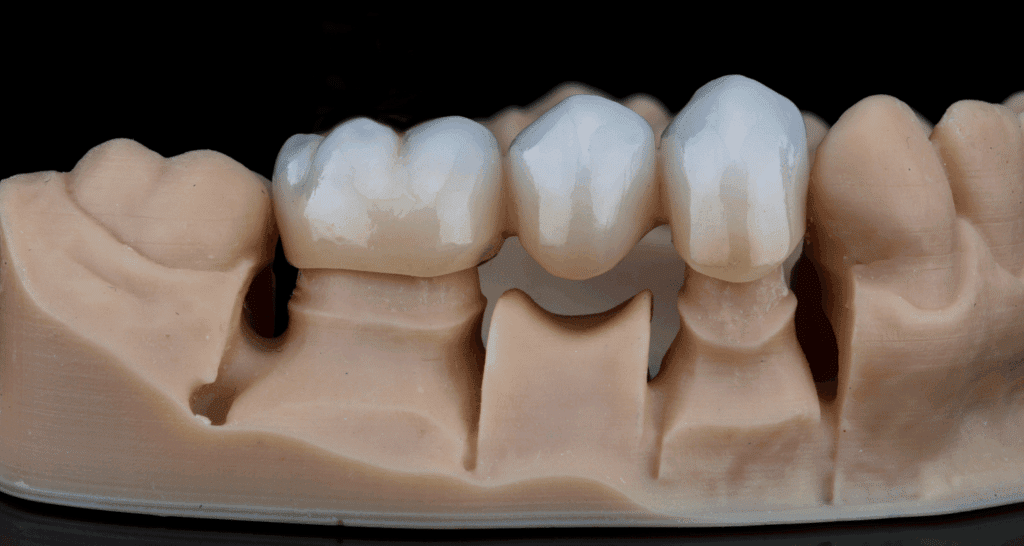
A dental crown is like a cap that covers your entire tooth. It restores the shape, strength, and look of a damage tooth.
Crowns are made from porcelain, metal, or a combination. They’re custom made to fit your tooth perfectly and match your other teeth.
When crowns are used:
- After a root canal
- To fix a broken tooth or cracked tooth
- To cover a tooth with a large filling
- To improve how a tooth looks
- To protect a weak tooth from breaking
Benefits of crowns:
- Strong and durable
- Look natural
- Last 5 to 15 years
- Protect damaged teeth
Downsides to consider:
- More expensive than fillings
- Usually takes two visits
- Tooth must be filed down first
Your dentist will file down your tooth, take an impression, and give you a temporary crown. When your permanent crown is ready, you’ll come back to have it fitted and cemented in place.
Learn more about crowns on our dental crowns page.
Do I Need One or Both?
This is where people get confused. Here’s how to think about it:
You might need just a crown if:
- Your tooth is cracked or broken but not infected
- You have a large cavity but the pulp is healthy
- You want to fix how a tooth looks
You need a root canal if:
- You have infection or severe decay in the pulp
- The tooth hurts badly or is sensitive
- There’s an abscess (pus pocket) near the tooth
You might need both if:
- You need a root canal on a back tooth (molars)
- The tooth is badly damaged and infected
- Your dentist wants to protect the tooth after treatment
Think of it this way: a root canal fixes the inside problem. A crown fixes the outside and adds protection. Sometimes fixing one area isn’t enough.
Root Canal vs Crown: Quick Comparison
| Root Canal | Dental Crown | |
| What It Fixes | Infection inside tooth | Damaged tooth structure |
| Cost Range | $1,000 to $3,000 | $800 to $1,700 |
| How Invasive | More invasive | Less invasive |
| Recovery | Some pain for a few days | Mild sensitivity |
| How Long It Lasts | Depends on crown placed after | 5 to 15 years |
Does It Hurt?
Let’s be honest about pain because that’s what most people worry about.
Root canal pain: The area is numbed, so you shouldn’t feel pain during the procedure. Most people say the infection hurt worse than the treatment. After the procedure, you might have soreness for a few days. Over the counter pain medicine usually helps.
Crown pain: Getting a crown is less uncomfortable. Your dentist numbs the area before filing down the tooth. You might feel some pressure. After the crown is placed, you may have mild sensitivity for a week or so.
Modern dental techniques and anesthesia make both procedures much easier than they used to be. If you’re nervous, talk to your dentist about options to help you relax.
Cost and Insurance
Money matters, so let’s talk about what you can expect to pay.
Root canals usually cost between $1,000 and $3,000. The price depends on which tooth needs treatment. Front teeth cost less than back teeth.
Most dental insurance covers root canals because they’re medically necessary. Check with your insurance provider to see what your plan covers.
Crowns typically cost between $800 and $1,700 per tooth. The material affects the price. Porcelain costs more than metal.
Insurance may cover crowns if they’re needed for health reasons. If you want a crown just to improve how your tooth looks, your insurance might not pay for it.
Don’t forget these extra costs:
- Clinic fees
- Anesthesia
- Pain medication
- Follow up visits
At Dental Faith, we offer payment options for patients without insurance. Call us to discuss what works for your budget.
Common Myths You Should Ignore
Myth: Root canals are always painful. Not true. The infection causes pain, not the treatment. Root canals actually stop the pain. With today’s anesthesia, most people feel little to no discomfort.
Myth: Crowns make teeth weaker. Wrong. Crowns actually make weak teeth stronger. They protect damaged teeth from breaking and restore normal function.
Myth: I can wait and see if it gets better. Bad idea. Tooth infections don’t heal on their own. Waiting makes things worse and could lead to extraction. That ends up costing more money and causes more problems.
When Should You Call the Dentist?
Don’t ignore these warning signs:
- Pain that won’t go away
- Sensitivity lasting more than a few seconds
- Swelling in your gums or face
- A tooth that feels loose
- A visible crack or chip
- Bad taste or smell in your mouth
These symptoms mean something is wrong. The sooner you get treatment, the better your chances of saving the tooth.
Need emergency care? Visit our emergency dentistry page or call us right away.
The Bottom Line
Root canals and crowns serve different purposes. Root canals treat infection inside the tooth. Crowns protect and restore the tooth structure.
Many people need both treatments together. A root canal fixes the internal problem, and a crown protects the tooth afterward.
The best way to know what you need is to see a dentist. They’ll examine your tooth, maybe take an X-ray, and explain your options.
Don’t let fear or confusion stop you from getting help. Untreated tooth problems only get worse. Taking care of it now saves you pain and money later.
If you want to learn more about recovery time, read our blog post on how long root canal recovery takes.
Ready to Get Help?
Still not sure what you need? Book a consultation with Dr. M. Paula Fedler at Dental Faith. We’ll examine your tooth, answer your questions, and help you choose the best treatment for your smile.
We speak English and Spanish, so you can discuss your care in the language you’re most comfortable with.
Call us at (615) 285-3949 or schedule online at DentalFaith.com.
Your smile matters. Let us help you protect it.