
Root Canal vs Dental Implant: How to Choose What’s Right for You
When a tooth is badly damaged or infected, you need to make an important choice. A root canal saves your natural tooth by cleaning out the infection from inside. It’s less invasive and quicker. A dental implant replaces the tooth entirely with an artificial root and crown. It offers better long term durability but requires surgery, more time, and higher upfront cost.
The right choice depends on your tooth’s health. Root canals work best for salvageable teeth. Implants are better for irreparable broken tooth or tooth loss. Implants also prevent bone loss and keep your other teeth from shifting.
At Dental Faith in Nashville, we help patients make this decision every day. Dr. M. Paula Fedler evaluates each case personally to recommend the best treatment for your situation. Here’s what you need to know about both options.
What Is a Root Canal?
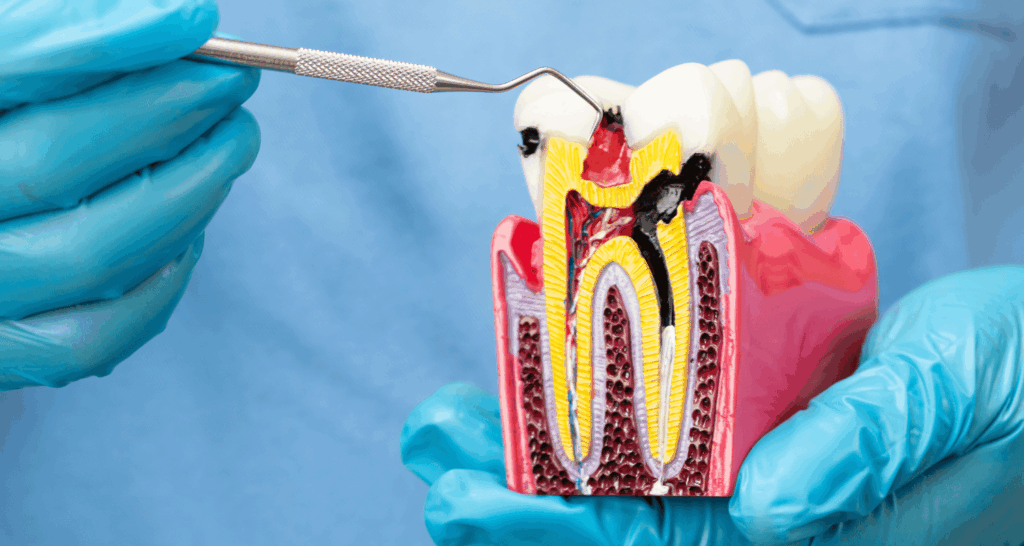
A root canal is a treatment that saves your natural tooth from infection. The dentist removes the infected pulp from inside the tooth. The pulp is the soft tissue that contains nerves and blood vessels.
After dental cleaning out the infection, the dentist fills the space with a special material. Then they seal the tooth and place a crown on top. This protects the tooth and lets you keep using it normally.
The procedure is simpler than most people think. Modern techniques and anesthesia make it comfortable. Most patients return to their normal routine within a day or two.
Root canals typically take one or two visits to complete. The treatment has a high success rate. With proper care, a treated tooth can last 10 to 15 years or longer.
Pros of Root Canals:
- Saves your natural tooth
- Less invasive procedure
- Quicker treatment with only one to two visits
- Lower initial cost
- Preserves bone structure and natural bite
Cons of Root Canals:
- Natural tooth may eventually fail or need retreatment
- Might not be possible if the tooth is too damaged
What Is a Dental Implant?
A dental implant replaces a missing tooth completely. It includes both the root and the visible part of the tooth.
The process starts with placing a titanium post into your jawbone. This post acts as an artificial root. Over several months, the bone grows around the post and holds it firmly in place. Dentists call this process osseointegration.
After the implant fuses with the bone, the dentist attaches a connector piece called an abutment. Finally, they place a crown on top that looks and works just like a natural tooth.
This is a surgical procedure that takes more time than a root canal. The full process usually spans three to six months from start to finish.
Pros of Dental Implants:
- Excellent longevity, potentially lasting a lifetime
- Prevents bone loss in the jaw
- Feels like a natural tooth
- Stops adjacent teeth from shifting
- Most durable long term solution
Cons of Dental Implants:
- More invasive with surgical procedure required
- Longer treatment time spanning several months
- Higher upfront cost
- Requires sufficient bone density
- Needs good overall health for healing
Key Differences Between Root Canal and Implant
Here’s a quick comparison to help you understand the main differences:
Type of Procedure Root canals are non-surgical and less invasive. Implants require surgery to place the post in your jawbone.
Number of Visits Root canals take one to two appointments. Implants need multiple visits spread over several months.
Cost Root canals typically cost $350 to $500. Dental implants range from $1,000 to $2,000.
Recovery Time Most people recover from a root canal in one to two days. Implant healing takes weeks to months.
How Long They Last Root canals can last 10 to 15 years with good care. Implants often last 20 years or more, sometimes a lifetime.
Natural Tooth Root canals save your natural tooth. Implants replace it after dental extraction.
When to Choose a Root Canal
A root canal makes sense if your tooth has enough healthy structure left. Saving your natural tooth is usually the best choice when possible.
Root canals cost less than implants. This matters if you’re working with a budget or if your insurance covers more of the treatment.
The recovery is faster. You can get back to eating and working normally within a day or two. This works well for people with busy schedules who can’t take much time off.
Keeping your natural tooth has benefits. Your natural tooth root stimulates the jawbone when you chew. The tooth fits naturally with your other teeth and maintains your bite pattern.
Root canals also preserve the natural appearance of your smile. The treated tooth looks and functions like it always did.
Choose a root canal if you prefer to keep your natural tooth and value quicker treatment with lower upfront expense.
When to Choose a Dental Implant
Sometimes a tooth is too damaged to save. If the tooth is cracked below the gum line or broken beyond repair, extraction and an implant may be your only option.
Implants offer superior strength and stability. They don’t decay like natural teeth can. With proper oral hygiene, they can last for decades without needing replacement.
One major benefit of dental implants is bone health. The titanium post stimulates your jawbone just like a natural root does. This prevents bone loss that often happens after losing a tooth.
If you’ve already lost a tooth or need to have one removed, an implant provides a permanent solution. It won’t affect the teeth on either side, unlike a bridge would.
Choose an implant if the tooth is beyond saving, you need a permanent replacement, want to prevent bone loss, or are looking for the most durable long term solution.
Risks and Complications
Both treatments are safe, but each has possible complications.
With root canals, reinfection can occur if bacteria remain in the complex canal system. The tooth may also become brittle over time since it no longer has living tissue inside. Regular checkups help catch any problems early.
Some root canals need retreatment years later if the infection returns. This means removing the dental filling material and cleaning the canals again.
Dental implants can fail if your jawbone doesn’t have enough density to support the post. Smoking and certain health conditions can affect healing. There’s also a small risk of infection at the implant site.
Proper dental hygiene is essential for implants. While the implant itself won’t decay, the gum tissue around it can still develop disease.
What Our Nashville Dentists Recommend
At Dental Faith, Dr. M. Paula Fedler evaluates each patient’s situation individually. There’s no one size fits all answer.
We look at the condition of your tooth, your overall oral health, and your personal goals. Some patients want to save their natural teeth whenever possible. Others prefer a long term solution even if it costs more upfront.
Dr. Fedler has over 20 years of experience in restorative dentistry. She explains both options clearly in English or Spanish, so you understand exactly what each treatment involves.
Our team takes time to answer your questions and address any concerns. We want you to feel confident in your choice.
Cost Comparison and Insurance
Root canals generally cost less and are more likely to be covered by dental insurance. Most plans consider them a necessary treatment for tooth infection.
Dental implants have a higher upfront cost. However, they may save money over time because they rarely need replacement or additional work.
Many insurance plans cover part of implant costs, especially if the tooth was lost due to injury or tooth disease. We help you understand your coverage and explore payment options.
At Dental Faith, we offer affordable care for uninsured patients. We believe everyone deserves access to quality dentist treatment. Call us to discuss payment plans that fit your budget.
Making Your Decision
The choice between a root canal and an implant depends on your specific situation. If your tooth can be saved, a root canal is often the better option. It’s faster, less expensive, and preserves your natural tooth.
If the tooth is too damaged or you want the most durable long term solution, an implant may be right for you.
Don’t try to make this decision alone or when you’re in pain. Schedule a consultation with our team at Dental Faith. We’ll examine your tooth, take X-rays if needed, and explain which option makes the most sense for you.
Not sure which treatment is right for your smile? Call our Nashville office today at (615) 285-3949 or request an appointment online. Let our caring team help you make the right choice in English or Spanish.
Whether you need a root canal treatment or are considering dental implants in Nashville, Dental Faith is here to guide you every step of the way. If you’re experiencing tooth pain, don’t wait. Contact us for emergency dental care today.